
3-week Sri Lanka itinerary: complete route for the summer period
Discover our 3-week round trip through Sri Lanka with a private driver. From the historic streets of Galle and the tea fields of Ella to safaris, temples and tropical beaches: this route shows the diversity of Sri Lanka. Including our route, practical tips, sights and restaurant tips to plan your trip well prepared.
Tropical beaches, wildlife and green nature: Sri Lanka has it all
While the scent of fresh fruit and spices drifts through the narrow streets, colourful tuk-tuks drive by and the sound of the ocean can be heard in the background. Sri Lanka feels special from the very first moment. The island combines ancient temples, green mountains, tropical beaches and impressive nature reserves in a way you will find in only a few places in the world. During a three-week round trip you discover the enormous diversity of Sri Lanka. You walk through tea fields, spot elephants on a safari, enter centuries-old temples and end your trip relaxing on long sandy beaches.
In this travel blog we share our 22-day Sri Lanka round trip, including practical tips, detailed information about sights and frequently asked questions. We booked this trip with a private driver through Van Verre.
When is the best time for a round trip through Sri Lanka?
Sri Lanka has a special climate with two different monsoon periods. During the European summer there is a southwest monsoon and during our winter a northeast monsoon. As a result, the weather is actually always good somewhere on the island, but it is also always raining somewhere. The weather in Sri Lanka is tropical and therefore less predictable than in the Netherlands. A short shower does not automatically mean your whole day is ruined.
The high season for Sri Lanka runs from July to August and from December to February. This is the busiest period on the island. In the most popular places you sometimes queue for sights or end up in traffic jams in the national parks. Accommodation prices are also considerably higher. Around the holidays, many accommodations charge an additional surcharge as well.
The low season runs from March to June and from September to November. In this period accommodation prices are often a lot lower and it is quieter at popular sights too. Do keep in mind that some restaurants are closed or accommodations carry out temporary maintenance.
Good to know: The only month we advise against is November. On average this month has the most rain and the greatest chance of heavy flooding.
How do you get to Sri Lanka?
Sri Lanka lies south of India, and from the Netherlands, Belgium or Germany you fly to Colombo's international airport: Bandaranaike International Airport. From Amsterdam Schiphol you can fly to Colombo every day with Turkish Airlines, Emirates, Etihad or Qatar Airways with one stopover. The average travel time from the Netherlands is around 12 to 15 hours, depending on the flight you choose and the connection time. From Brussels, Düsseldorf, Cologne, Bremen or other German cities you can also easily fly to Colombo with one stopover. Prefer a direct flight? That is possible from Frankfurt or Paris with SriLankan Airlines.
How do you get around Sri Lanka?
Sri Lanka may look small on the map, but travel times can add up considerably. The roads are often narrow, the traffic moves slowly and along the way you regularly come across lorries, buses, tuk-tuks, animals crossing the road or potholes.
That is why we chose a round trip with a private driver through Van Verre. This offers a nice combination of comfort and flexibility. You do not have to navigate yourself, you can sit back and enjoy the landscape and you have someone who knows the local roads and customs well. The country is also fully set up for travelling with private drivers, and the drivers often sleep in 'drivers' accommodation', where they meet other drivers who are driving other travellers around.
Another big advantage is that you can easily stop along the way. Think of a short stop at a tea plantation, a viewpoint in the mountains or a local restaurant that you might otherwise drive past if you were travelling by public transport or taxi.
Good to know: Bear in mind that you give your driver a tip at the end of your trip. Tips make up a large part of the salary in Sri Lanka. Tips for a driver are on average around 10 - 15 USD per day per group.
Other ways to get around:
- Train: a wonderful experience, especially between Nuwara Eliya and Ella. But there are also various other train routes across the country.
- Bus: cheap, but often crowded, unpredictable and less comfortable.
- Tuk-tuk taxi: ideal for short distances, for example from your accommodation to a restaurant. You can use the PickMe app for this.
- Driving yourself: Driving yourself in Sri Lanka is often discouraged for travellers who have no experience with Asian traffic. Especially around cities the traffic can feel chaotic, and on other roads you may come across wildlife crossing (elephants). So be really careful.
Budget tip: A private driver may sound like a luxury option, but when you share the costs with several travellers it is often not too bad. It is also a very relaxed way of travelling and often leads to lovely friendships.
Book this tailor-made round trip with Van Verre
We booked this Sri Lanka round trip through Van Verre. The big advantage of this way of travelling is that everything is arranged in advance, while you still keep the freedom to enjoy the destination along the way. You travel with a private driver who knows the route, helps you with practical matters and gives you tips along the way about nice stops and sights. In Sri Lanka in particular we found a driver a good choice, because the roads are poor and the weather and nature are unpredictable. When we arrived, the driver was already waiting for us with a big smile, and at the end of the trip we had made a lovely friendship. There is actually no better way to really get to know a country than through the wonderful conversations you have on the road.
On top of that, Van Verre makes your round trip completely tailor-made and includes the places you would like to see. Including flights, any excursions and unique small-scale accommodations in beautiful locations. Another plus of Van Verre for us was that because the route had been planned in advance, we were completely taken care of and only had to enjoy all the beauty. Also good to know: Van Verre can easily put together your Sri Lanka round trip in combination with the Maldives!
See all the round trips Van Verre offers to Sri Lanka and other destinations here.
Best Sri Lanka itinerary in the summer holidays
We found Sri Lanka one of the most diverse destinations we have ever visited. The itinerary we put together is best suited to the summer holidays or just outside them, because this way you drive towards the sun. In our opinion, this route is the perfect combination of culture, nature, wildlife and beaches. By travelling with a private driver you combine comfort with spontaneity and get the most out of your round trip.
Want to go to Sri Lanka during the Christmas holidays or in winter? Then it is best to reverse the itinerary, skip the east coast and stay longer on the south coast.
Day 1-3 Galle
Travel time: about 3 hours from Colombo Airport to Galle
Our trip started in Galle, a nice place to acclimatise! The route to Galle largely follows the coastline. Along the way you see the landscape slowly change from urban areas to tropical coast. An interesting stop along the way is the Community Tsunami Museum just outside Hikkaduwa, where you learn more about the devastating tsunami of 2004 and the impact this disaster had on Sri Lanka. The entrance fee is 1,000 Sri Lankan rupees per person (about €3) and the proceeds go to the museum and the local community.
Galle lies on the south coast and is a city where colonial history and tropical beaches come together. As soon as you walk through the old entrance gate of Galle Fort, the streetscape changes. Behind thick stone walls you will find atmospheric streets with old buildings, small shops, cafés and a striking lighthouse overlooking the Indian Ocean. Galle is a nice first stop on your round trip. After a long flight you can calmly get used to the warm climate, the pace of Sri Lanka and the local culture here.
Photo tip: Book a stay inside Galle Fort; it is the most fun way to experience the lively street life and take beautiful pictures.
Good to know: Between June and September the weather in Galle is changeable. There is a good chance of rain because of the southwest monsoon. That does not have to mean it rains all day; often there are one or two big showers a day.
What to do in Galle?
Walk through and on top of Galle Fort
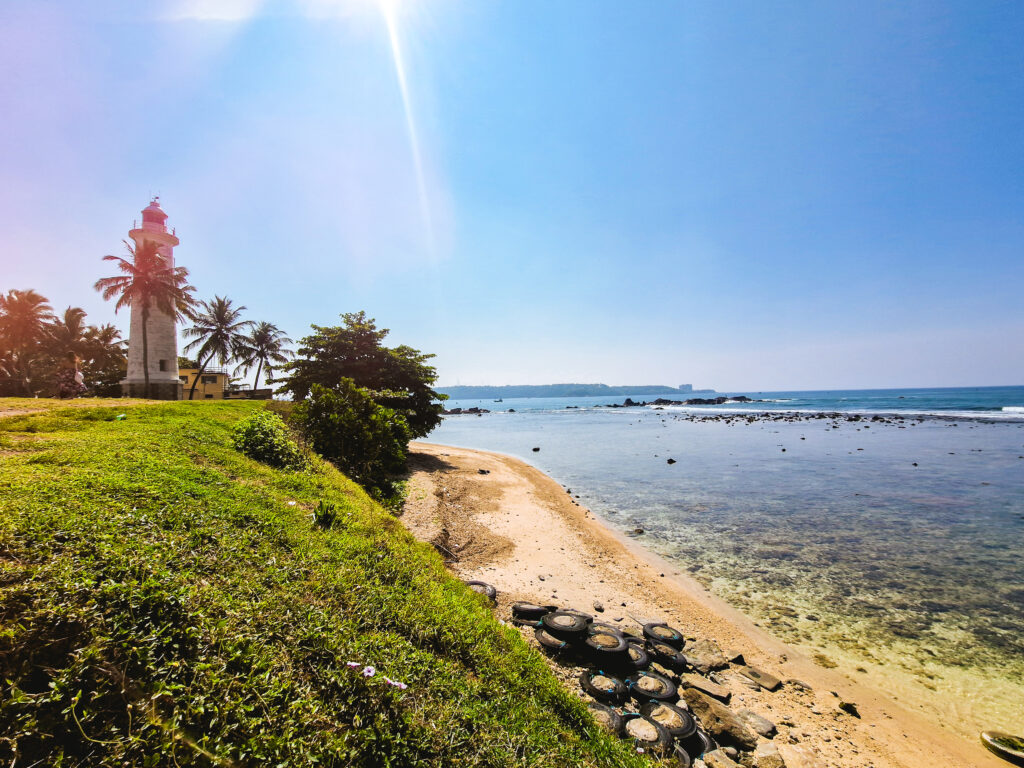
The old fort is without a doubt the highlight of Galle. It was originally built by the Portuguese and later expanded by the Dutch. Deliberately get a little lost in the streets and see if you can find any Dutch features. You will also find old colonial buildings, boutiques, art galleries and cafés here. The old city walls are free to access and make a lovely walk. Especially at the end of the afternoon this is a popular spot with locals, who gather here to watch the sun go down.
Photo tip: Get yourself a fresh coconut and head to the Galle Fort Lighthouse around sunset. The warm light and the view over the ocean make for one of the most beautiful moments to take a photo.
Make your own jewellery at a workshop
Sri Lanka is world-famous for its beautiful gemstones. In Galle you can make your own silver ring, pendant or earrings at a jewellery workshop under the guidance of a local goldsmith. You learn more about the craft and go home with a personal souvenir that you designed yourself.
Go on a bike ride through the countryside of Galle
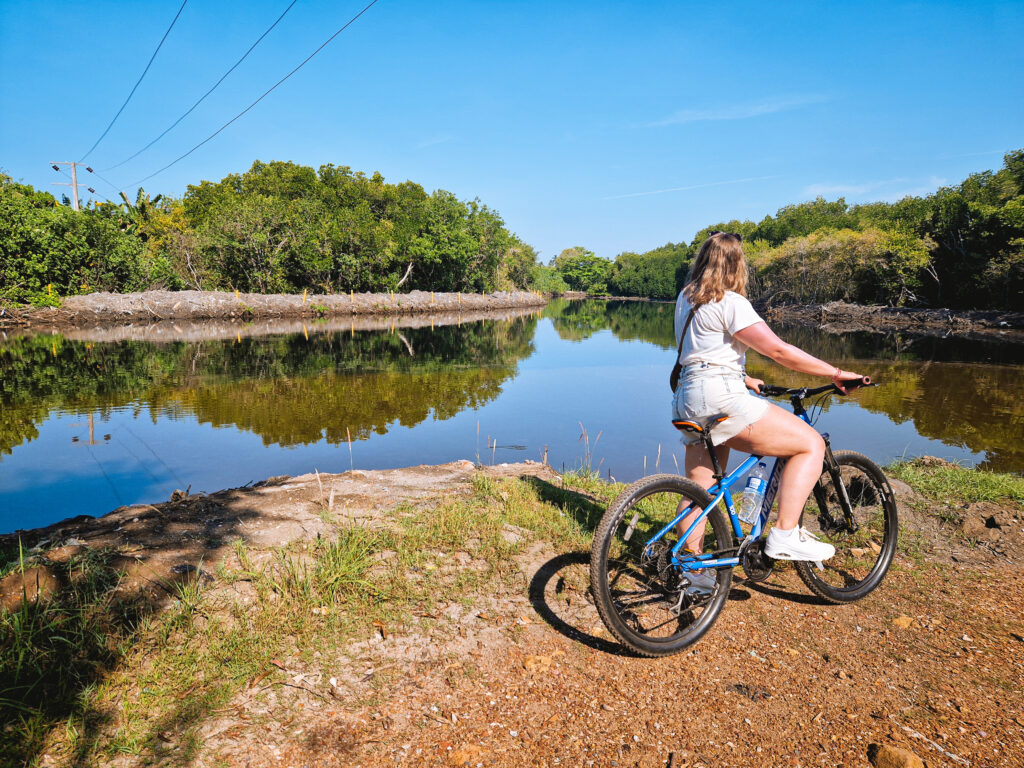
A nice way to discover the area around Galle is a bike tour through the countryside. You cycle past rice fields, cinnamon plantations and small villages where daily life takes place. Along the way you meet the local people and get to see a completely different side of Sri Lanka than in historic Galle Fort.
Restaurant tips Galle
- Coconut Sambol: On the menu you will find traditional curries, fresh fish dishes and of course the famous coconut sambol.
- PUPPETS Café: A cosy place for a big breakfast, a healthy lunch or a good cup of coffee.
- A Minute by Tuk Tuk: This restaurant is just outside Galle Fort and offers a beautiful view over the ocean. Especially around sunset this is a lovely place to end the day.
Tip! Are you a coffee lover? Then be sure to order a good cup of coffee somewhere in Galle. Outside the tourist places on the south coast we noticed that good coffee can sometimes be hard to find in Sri Lanka. Tea, on the other hand, you can of course get everywhere.
Budget tip: You do not need to book expensive excursions to discover Galle. You can visit the fort, the walls and many viewpoints for free.
Day 3-5 Mirissa
Travel time: 1 hour from Galle to Mirissa
The route to Mirissa runs along the south coast and is a relaxed drive. Along the way you see small coastal villages, fishermen pulling in their nets and beaches where local life takes place.
In Mirissa everything revolves around the ocean, palm trees and relaxed island life. In the morning you hear the waves while fishermen get their boats ready to go out to sea. At the end of the afternoon it is lovely to be on the beach for the sunset. The combination of beach, cosy restaurants and the relaxed atmosphere makes this a nice place to spend a few days doing nothing at all.
Good to know: Between June and September the weather in Mirissa is changeable. There is a good chance of rain because of the southwest monsoon. That does not have to mean it rains all day; often there are one or two big showers a day.
What to do in Mirissa?
Relax on Mirissa Beach & Turtle Beach
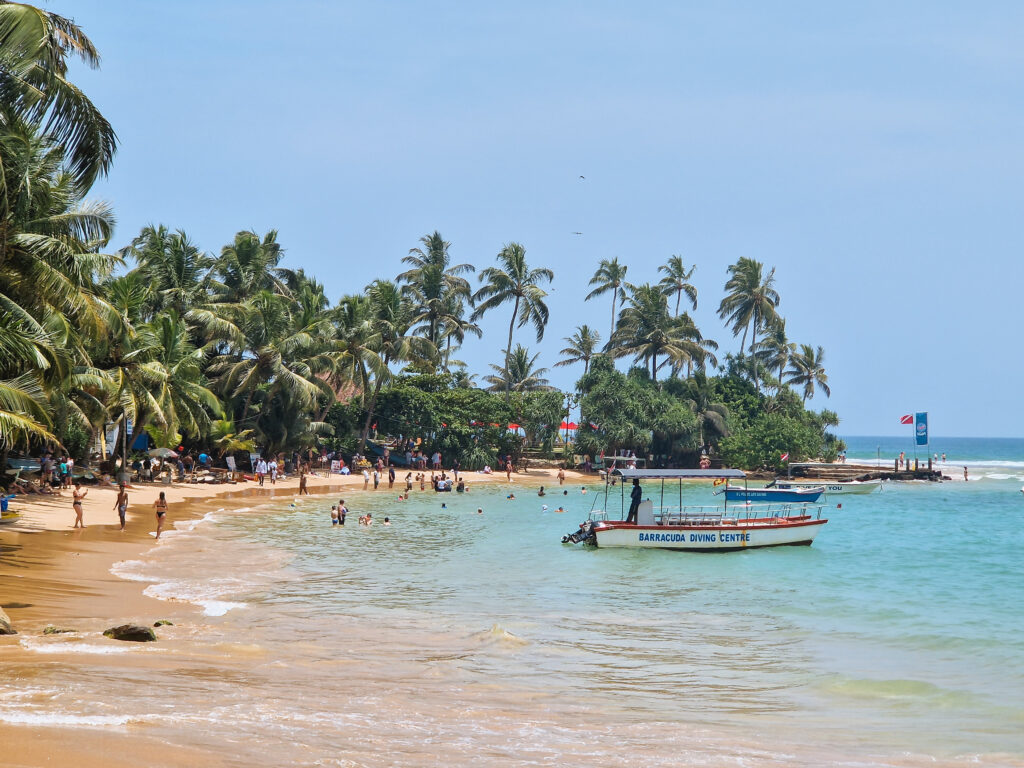
Mirissa Beach is the place to plan nothing for a while. Drink a fresh coconut, take a dip in the sea or enjoy lunch with a view of the beach. At the end of the afternoon the beach slowly turns into a lively place with restaurants and music. Nearby you will find Turtle Beach, one of our favourite spots, because turtles often swim in the sea right in front of you. Do treat the turtles with respect: give them space, do not touch them and do not feed them.
Walk to Coconut Tree Hill
One of the most photographed places in Mirissa is Coconut Tree Hill. The row of palm trees on the red cliff is especially popular at sunrise and sunset. There may even be a queue for a photo with the palm trees!
Photo tip: Go very early in the morning if you want to have the place almost to yourself.
Visit Secret Beach
Even though the name has become well known by now, Secret Beach is still quieter than Mirissa's main beach. The route there can be a bit tricky to find. From Mirissa Beach it is about a half-hour walk, but in the end you are rewarded with a beautiful, idyllic bay and lovely rock formations in the water.
Restaurant tips Mirissa
- Petti Petti Mirissa: A stylish beach club right on the beach with a swimming pool, live music and a varied menu.
- Bunga Bunga Beach: An atmospheric beach restaurant where you can enjoy fresh fish, seafood and cocktails with your feet in the sand.
- Hey Mama: A small family café known for its specialty coffee, creative brunch dishes and tasty vegetarian and vegan options.
Day 5-8 Ella
Travel time: 5 hours from Mirissa to Ella
From the tropical coast you travel up into the mountains to Ella. The drive to Ella starts fairly dull along the motorway, but along the route the landscape slowly changes. Palm trees make way for green hills, tea plantations and misty mountain peaks. Along the way you pass Ravana Falls, a well-known waterfall just before Ella. Nice for a quick stop, especially in the rainy season when the water can be impressively high.
For many travellers, Ella is one of their favourite destinations in Sri Lanka. Not only because of the nature, but also because of the relaxed atmosphere. You will find cosy cafés, walking routes and spectacular views here. The temperature is a lot more pleasant than on the coast, which makes Ella a nice place for active pursuits.
Good to know: - The weather in Ella can change quickly. Always bring a thin jacket or rain jacket for walks and sturdy shoes with good grip. - Ella can be very busy. It is the most popular place in Sri Lanka. Would you rather stay somewhere quieter? Then choose Haputale. Budget tip: Many of the most beautiful activities around Ella are free. The walks to Little Adam's Peak, Ella Rock and the Nine Arch Bridge and a visit to Mahamevnawa Buddhist Monastery cost nothing.
What to do in Ella?
Climb Little Adam's Peak & Ella Rock
Little Adam's Peak is one of the easiest walks around Ella. From the top you have a view over the surrounding hills and tea fields. The walk takes about 1 to 1.5 hours. The best time to climb it is early in the morning or at the end of the afternoon, when the temperature is at its most pleasant. For travellers looking for more of a challenge, Ella Rock is a beautiful walk. The route is harder than Little Adam's Peak and takes about 3 to 5 hours. The view at the top makes the effort worthwhile.
See the Nine Arch Bridge
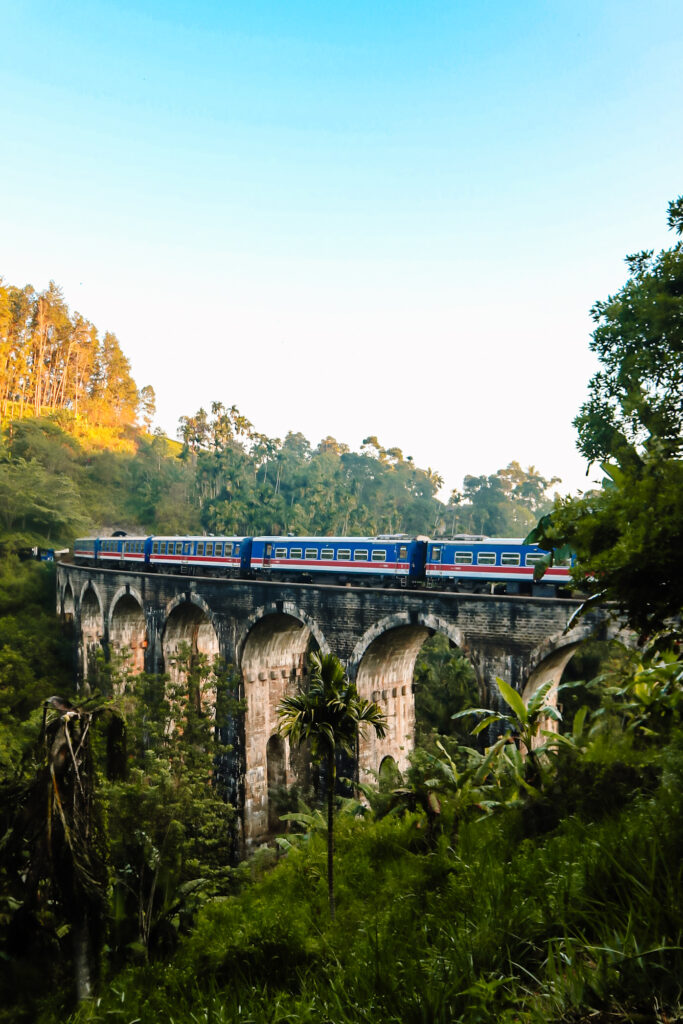
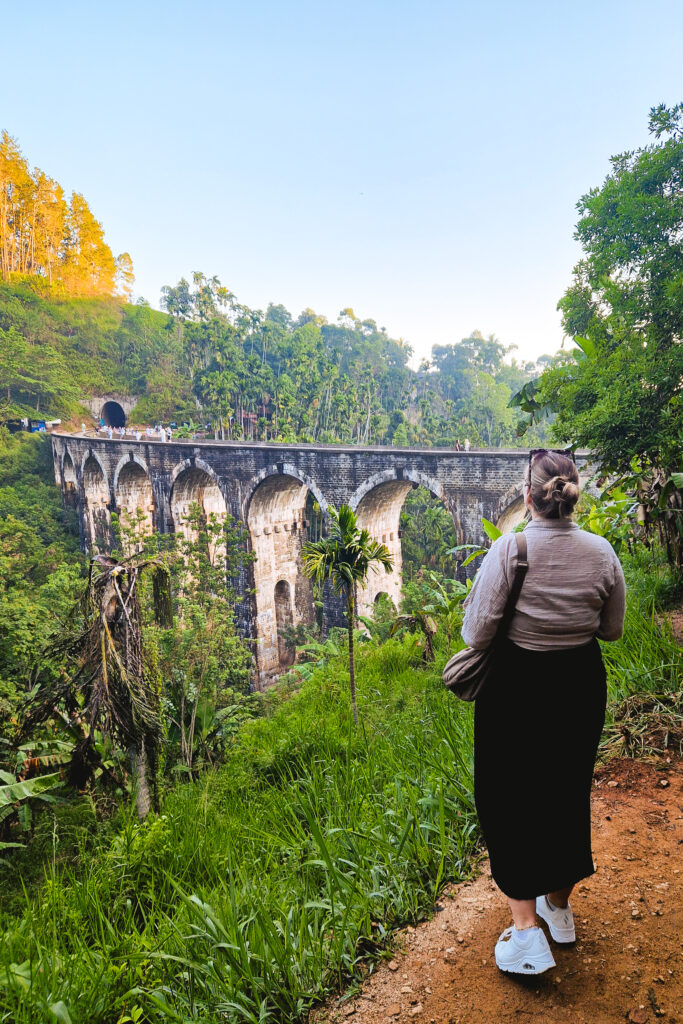
The famous railway bridge between the green hills is one of the best-known places in Sri Lanka. We really thought it felt a bit like a Harry Potter setting, but in a tropical atmosphere! To get here you have to walk quite a way down and back up again, so keep that in mind. Around the Nine Arch Bridge you will find a few small cafés. Order a fresh smoothie, take a seat for a beautiful view of the bridge and wait for the train to pass.
Photo tip: Check the train times in advance if you want a photo with the train on it. The waiting for the train is part of the experience.
Visit Mahamevnawa Buddhist Monastery
Just outside Ella lies Mahamevnawa Buddhist Monastery, a peaceful Buddhist monastery that is still relatively unknown among tourists. Walk around the well-kept grounds, admire the white stupas and listen to the chanting of the monks. It is a lovely place to escape the bustle of Ella for a while and learn more about Buddhism in Sri Lanka. Bear in mind that your shoulders and knees must be covered during your visit.
Go ziplining over the tea fields
Looking for a bit more adventure and adrenaline? Then take a ride on the Flying Ravana Mega Zipline, the first mega zipline in Sri Lanka. At speeds of up to 80 kilometres per hour you glide over the green hills and tea plantations while enjoying a spectacular view of the mountain landscape around Ella. A fun activity if you want to experience Ella in a different way.
Good to know: The maximum weight for the zipline is 110 kg.
Ride a tuk-tuk to Lipton's Seat
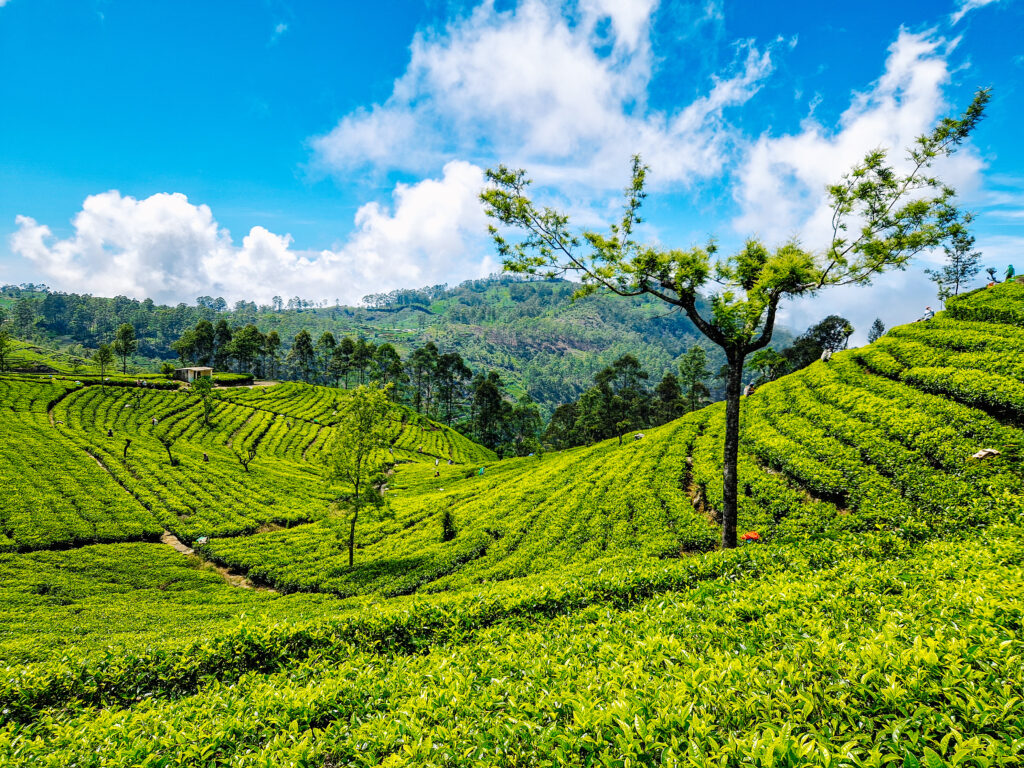
One of the most fun excursions, we thought, is the tuk-tuk tour to Lipton's Seat from Bandarawela. This is the famous viewpoint where tea merchant Sir Thomas Lipton used to look out over his vast tea plantations (known from Lipton tea). The route there is at least as beautiful. Together with a guide you drive past small villages where local life takes place and then on into the tea fields. Along the way you can take a look at the local tea plantation and there is time for lunch with a view over the tea fields. At the very top of Lipton's Seat you are truly amazed by the rolling green landscape of millions of tea leaves. We were allowed to help pick tea leaves together with the Tamil women who were working here. A special moment, and less easy than it looks. Only the light tea leaves are suitable, not the dark ones. It is very hard work: each worker has to pick 20 kg of tea leaves a day for little pay. So they really appreciated our tip.
Restaurant tips Ella
- Café Chill: One of the most popular restaurants in Ella, with an extensive menu full of Sri Lankan and international dishes and a cosy, lively atmosphere.
- Soul Café 9 Arch Bridge: An atmospheric café close to the Nine Arch Bridge where you can go for good coffee, healthy breakfast dishes and a beautiful view of the bridge.
- Claypot Ella: A small restaurant where traditional Sri Lankan curries and other local dishes are prepared with fresh ingredients.
Day 8-9 Kandy
Travel time: 6 hours from Ella by train via Nuwara Eliya to Kandy
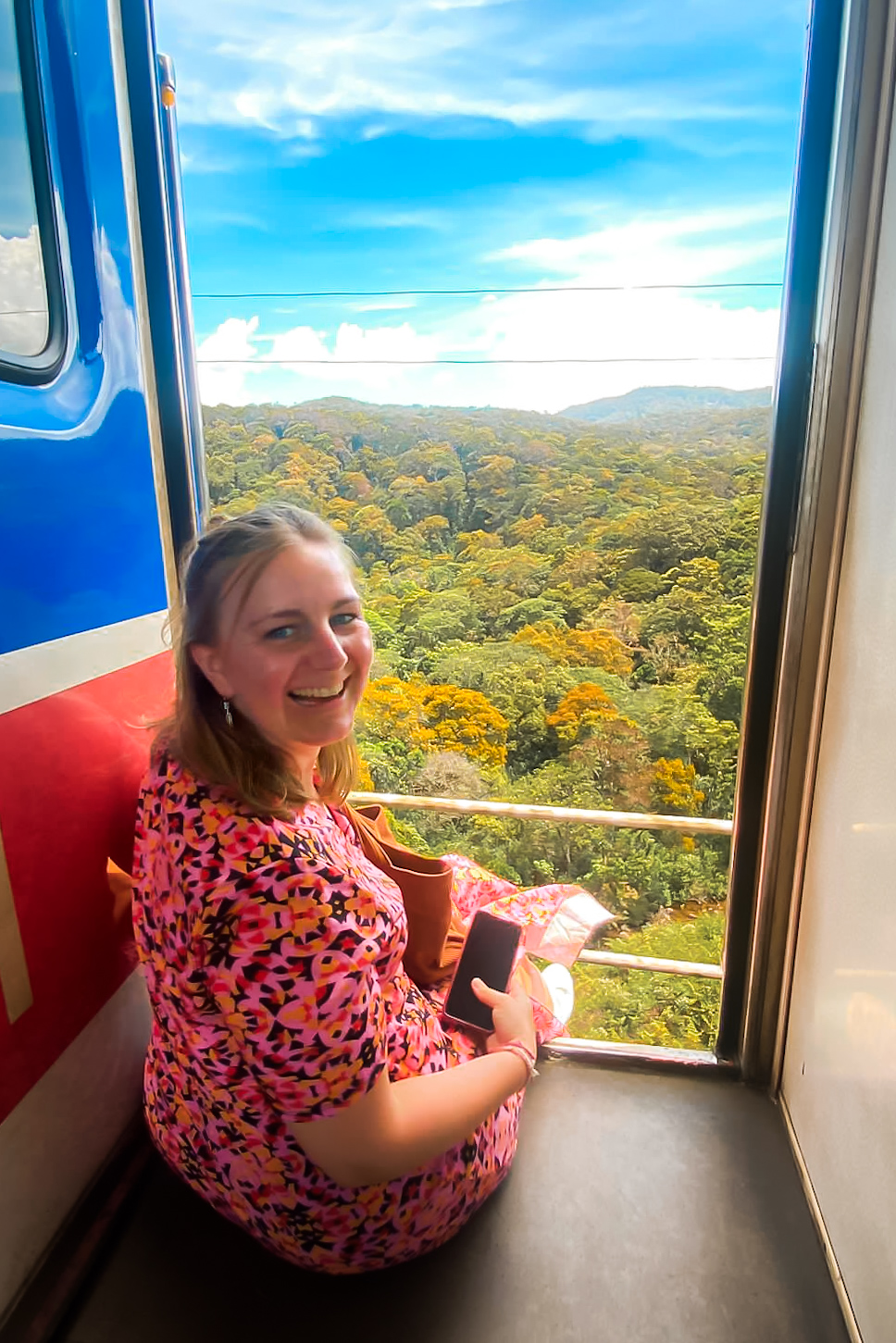
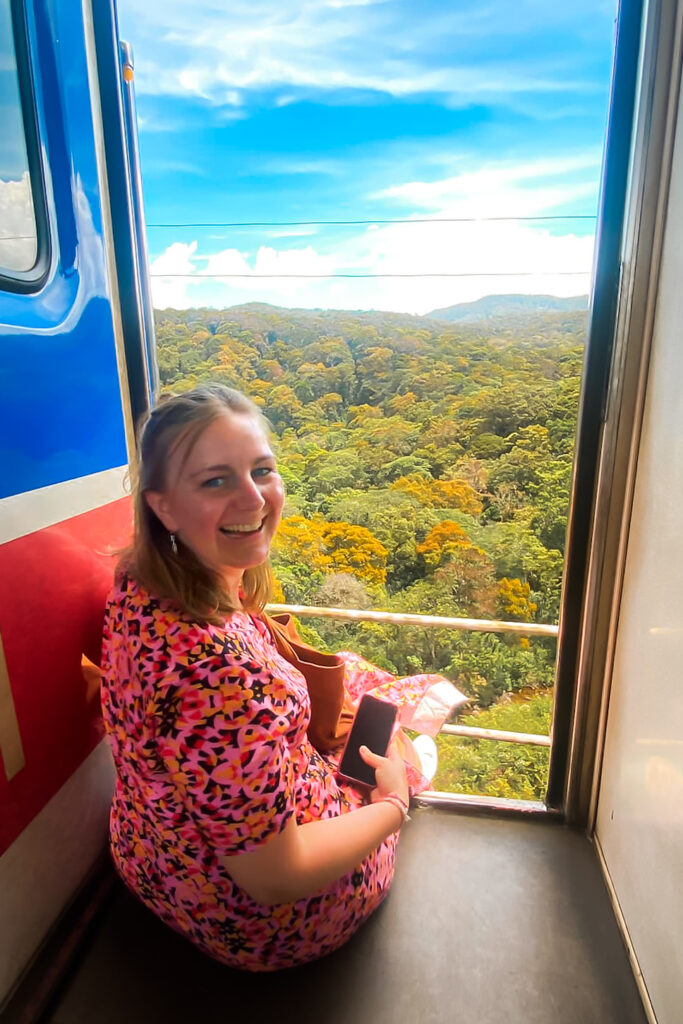
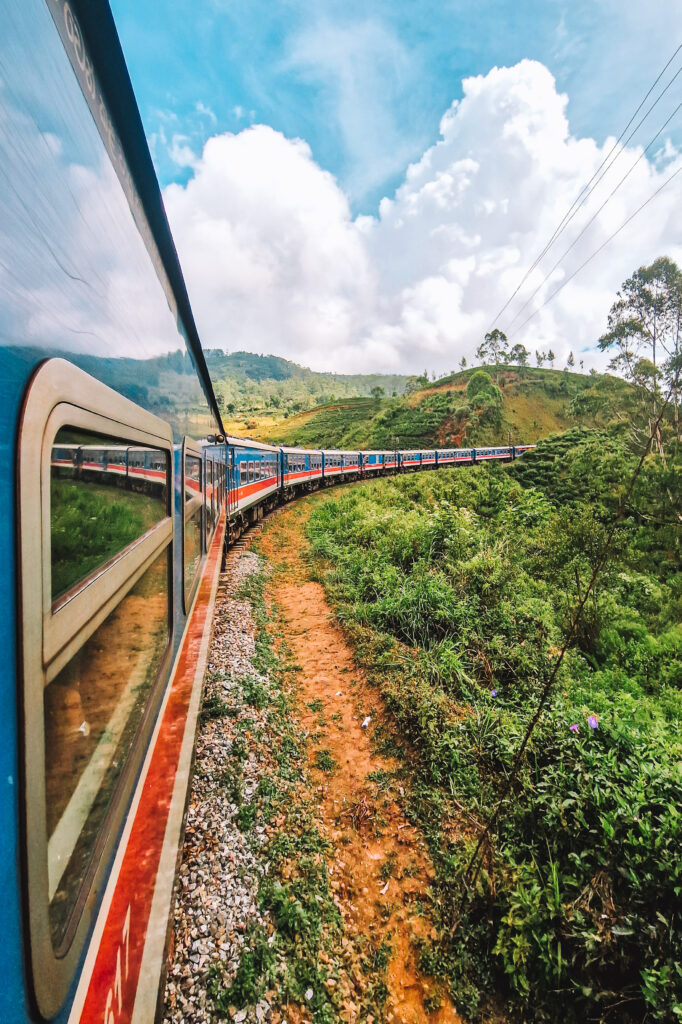
After the mountains of Ella you travel on to Kandy, the cultural heart of Sri Lanka. To get here you take what may be one of the most beautiful train journeys in the world: a train ride right through tea plantations, waterfalls and mountain villages. Even though it is a popular route with many tourists, we really think it is worth it. You simply have your own seat and all you have to do is enjoy the view for 3 hours, while your driver goes on ahead and waits for you at Nuwara Eliya station.
From Nuwara Eliya you drive on to Kandy. Along the way you pass the Ambuluwawa Tower. Via the narrow spiral staircase you can climb all the way to the top, where you are rewarded with a panoramic view over the surrounding mountains. The climb is not for everyone, because the staircase gets narrower and narrower towards the top and can be quite nerve-racking if you are afraid of heights.
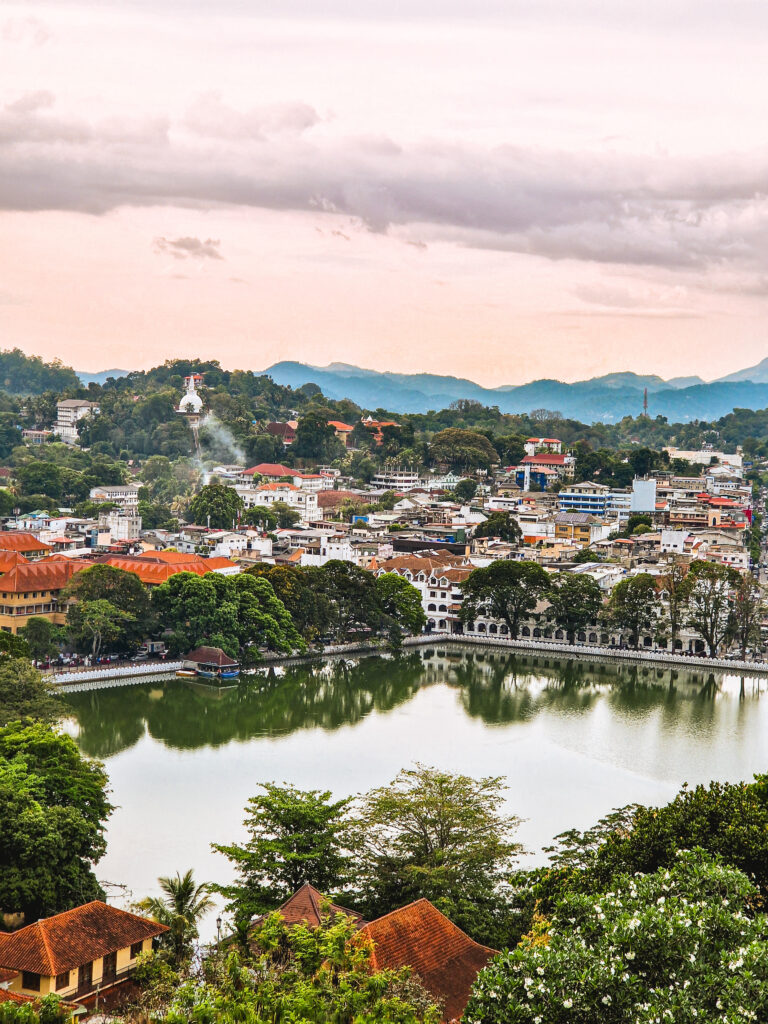
Kandy lies around a large lake and is best known for the important Temple of the Tooth. For many Sri Lankans this is one of the most important religious places in the country. Although many travellers only use Kandy as a stopover, the city has enough special places to stay at least one night.
Good to know: In August one of the most important Buddhist festivals in Sri Lanka takes place, the Kandy Esala Perahera. The festival lasts ten days, and every evening a parade full of dancers, musicians and decorated elephants passes through the city in honour of the Sacred Tooth Relic of the Buddha. Every evening the procession gets longer. Bear in mind that Kandy is very busy during this period and accommodations get booked up more quickly.
What to do in Kandy?
Visit the Temple of the Tooth
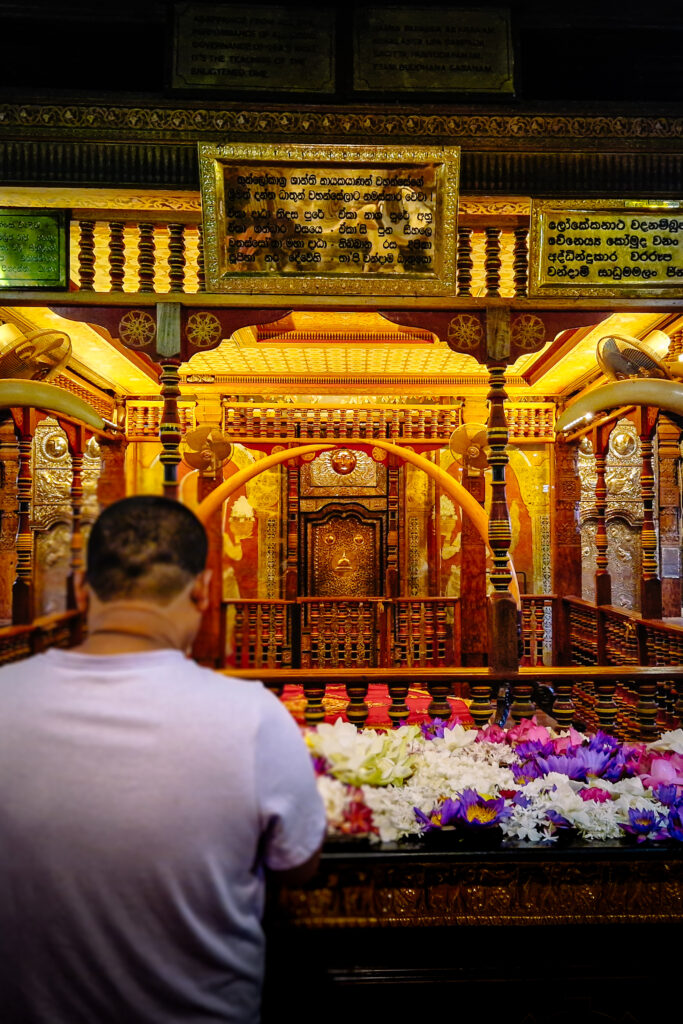
The Sri Dalada Maligawa is Kandy's best-known sight. According to Buddhism, a tooth relic of the Buddha is kept here. You pay a small entrance fee on site to enter the temple. Cover your shoulders and knees when you visit the temple.
Photo tip: Every day around 6.00 am and 6.00 pm a ceremony takes place to honour the tooth relic. This is often accompanied by dancers and offerings by monks; we found it a really special spectacle.
Watch a traditional dance performance
Traditional Sri Lankan dance performances are held in Kandy every day, centred on music, colourful costumes and impressive movements. During the show you see different dance styles from Sri Lanka, accompanied by traditional drums. The performance often ends with a spectacular fire act, in which dancers walk over glowing coals.
Walk through the Royal Botanical Gardens
About 15 minutes' drive from the centre of Kandy are the Royal Botanical Gardens of Peradeniya. These vast gardens are an oasis of calm, with more than 4,000 plant species, tropical trees and colourful flowers. Feel free to set aside a few hours to wander around and enjoy the green surroundings.
Visit impressive Buddha statues just outside Kandy
Around Kandy you will find several impressive Buddha statues that are worth a visit. The best known is the large white Bahirawakanda Buddha Statue, which towers high above the city and offers a beautiful view over Kandy. The giant seated Buddha on an elephant at the Nelligala International Buddhist Centre is also an interesting place to visit.
Take a Sri Lankan cooking class
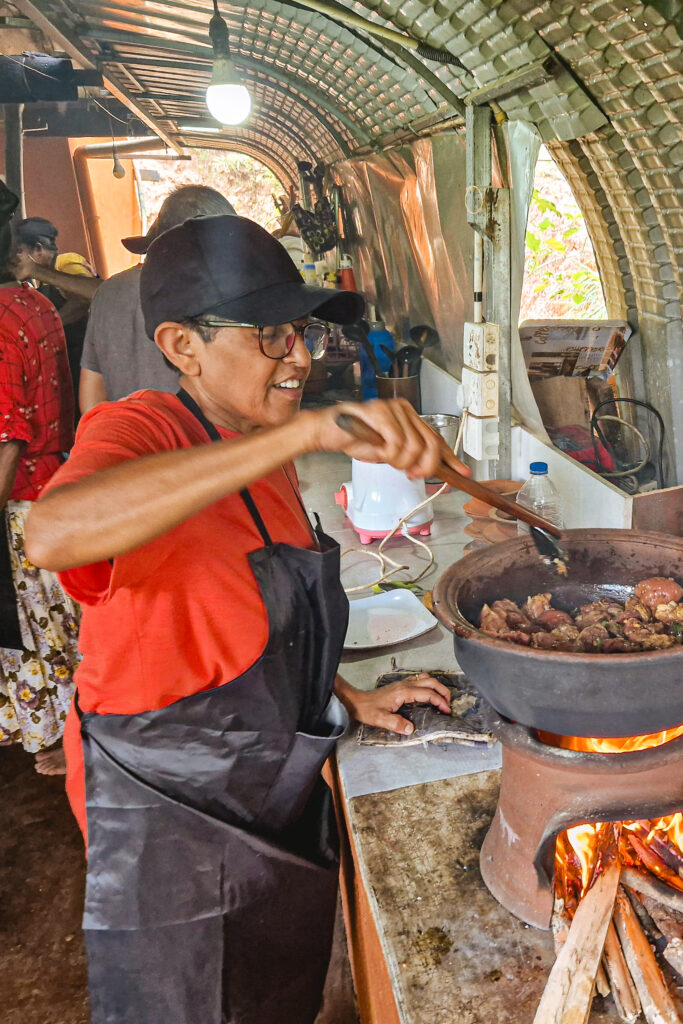
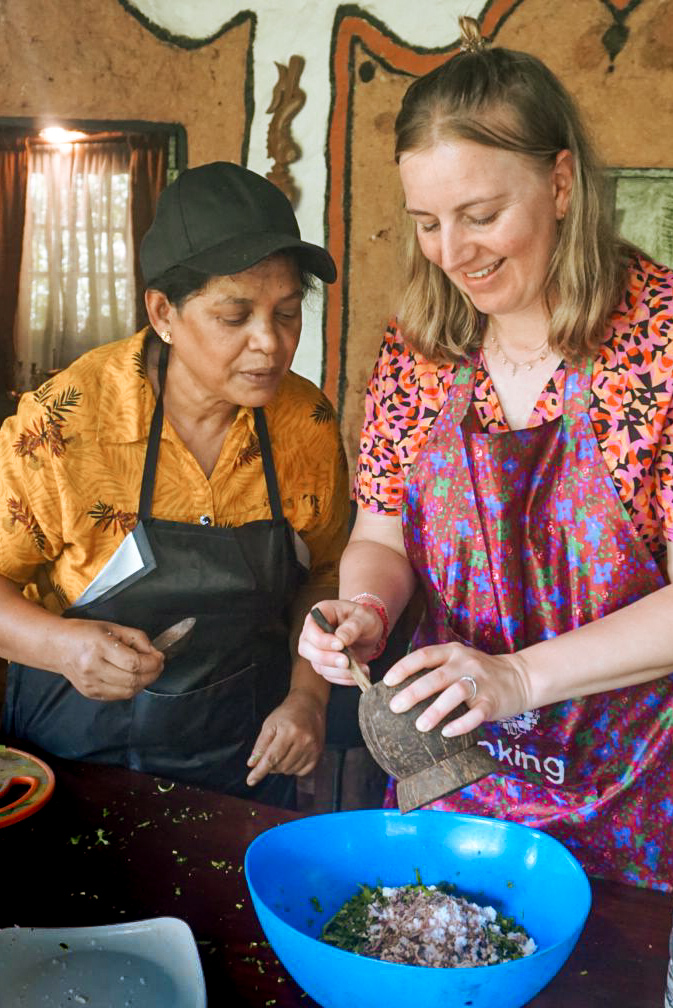
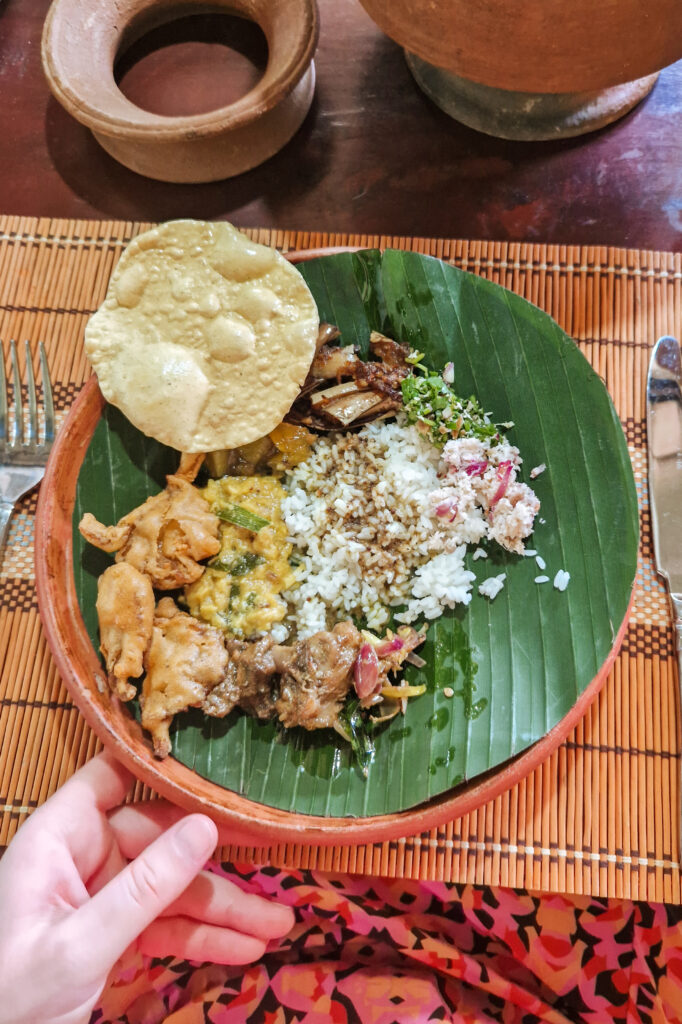
A fun way to get to know Sri Lankan culture better is to step into the kitchen yourself. During a cooking class in Kandy you learn how to prepare traditional dishes, such as various curries, dhal and sambol. The workshop often starts with a visit to the local market, where you learn more about the spices and ingredients that form the basis of Sri Lankan cuisine.
Restaurant tips Kandy
- Café Secret Alley: A cosy hidden hotspot with good coffee, fresh smoothies and a varied menu for breakfast and lunch.
- Hideaway Lounge: An atmospheric restaurant with a mix of Sri Lankan and international dishes, known for its relaxed garden and friendly staff.
- Café Banana Chill: A popular place for a big breakfast, fresh juices and healthy lunch dishes in a peaceful setting.
Day 9-11 Knuckles Mountain Range
Travel time: 1.5 hours from Kandy to the Knuckles Mountain Range
After the cultural bustle of Kandy you leave the city behind and travel to one of the most beautiful nature reserves in Sri Lanka: the Knuckles Mountain Range.
This mountain area owes its name to the shape of its peaks, which from a distance look like the knuckles of a clenched fist. Unlike popular places such as Ella and Kandy, far fewer travellers come here. That is exactly why the area feels more authentic and quieter.
The Knuckles Mountain Range is a destination for travellers who love walking, going off the beaten track and discovering Sri Lanka in a different way. In our opinion a real addition to your trip!
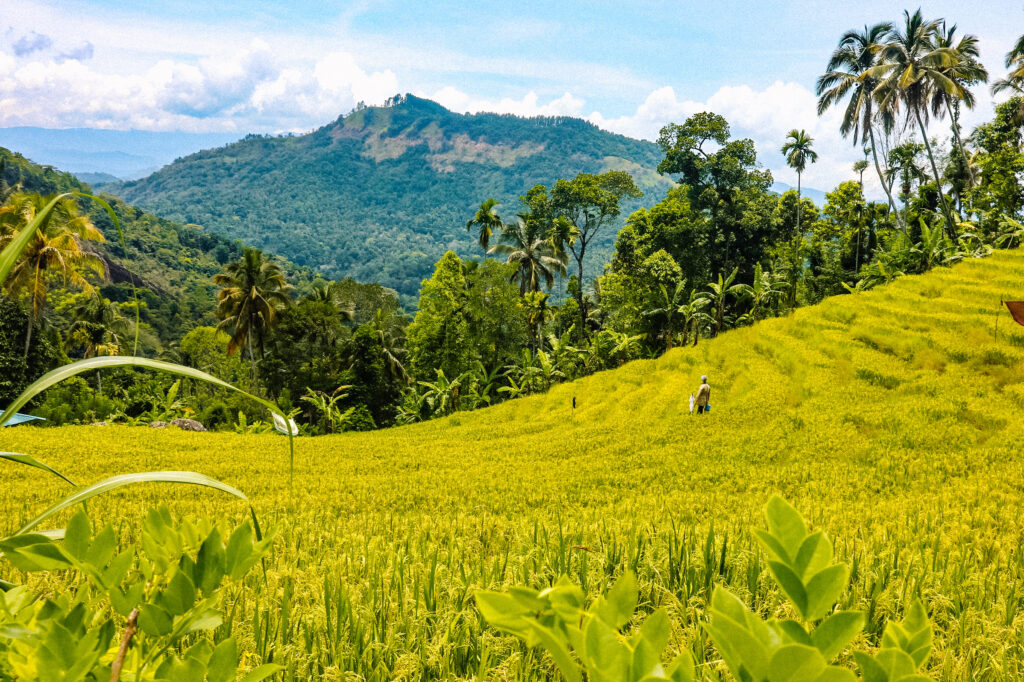
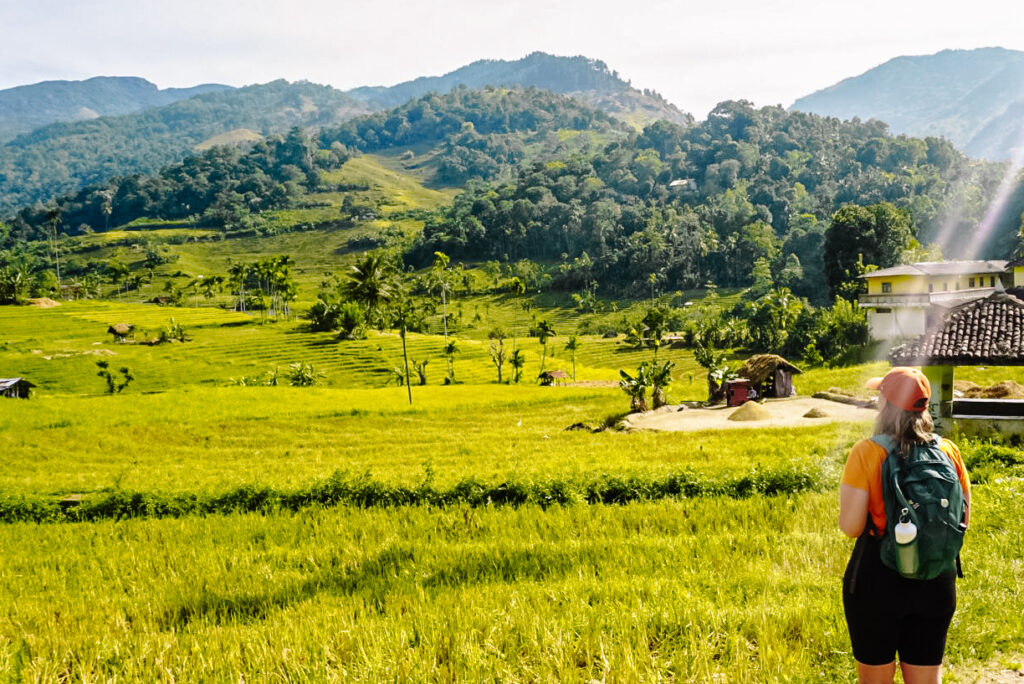
Here it is not about big sights, but about the landscape itself: green mountains, rice fields, tea fields, waterfalls, small villages and local farmers going about their daily lives.
What to do in the Knuckles Mountain Range?
Go for a walk through the mountains and spot birds
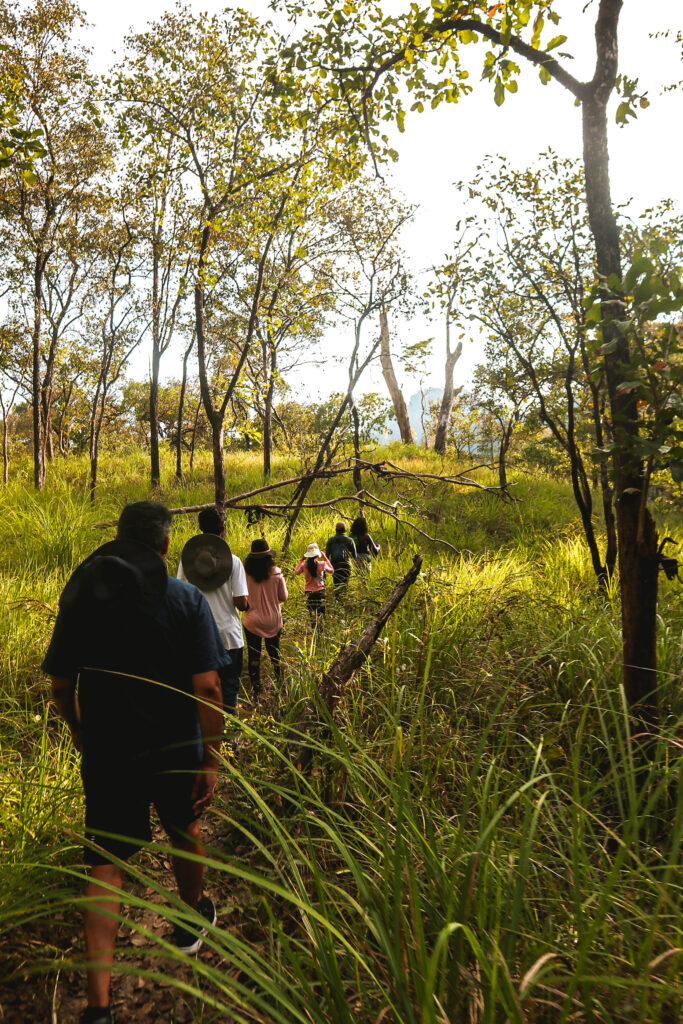
The main reason to travel to Knuckles is walking. There are various routes: short walks of a few hours, day trips, and multi-day hikes with a local guide and overnight stays in a base camp. Along the way you pass rice fields, forests, waterfalls, small lakes, mountain villages and more! At the foot of the Knuckles Mountain Range the walking is easy and you pass rice fields, small lakes and mountain villages. The deeper you go into the Knuckles Mountain Range, the steeper it gets and the more challenging the climb. You hike past forests, waterfalls and viewpoints where you can sometimes see for kilometres. The Knuckles Mountain Range is also a paradise for bird lovers. Dozens of bird species live in the forests and along the walking trails, including several species found only in Sri Lanka. Because it is a large protected nature reserve where you sometimes have poor reception and can easily get lost, it is wise to walk with a guide!
Good to know: - The weather in the mountains can change quickly. Showers can appear suddenly, so always bring a rain jacket. - Preferably also wear long trousers or long socks against leeches and spray yourself with DEET against mosquitoes. - Bring enough water for the way, as you will not come across any cafés.
Visit the Madulkelle Tea Factory
Pay a visit to the Madulkelle Tea Factory and discover how the famous Ceylon tea is produced, from tea leaf to cup. During a tour you see the entire production process, you can pick tea yourself among the tea fields and you finish with a tasting of different kinds of tea. Thanks to its location at the foot of the Knuckles Mountain Range, you also enjoy beautiful views over the surrounding tea plantations along the way.
Restaurant tips Knuckles Mountain Range
Because it is a remote area, you will find few cafés here. So enjoy your meals at your accommodation. There is often a restaurant, or you can eat with the local family.
Day 11-13 Gal Oya National Park
Travel time: 5 hours from the Knuckles Mountain Range to Gal Oya National Park
After the mountains you travel on to a place that many travellers do not yet know: Gal Oya National Park. This is a longer travel day, but the route once again shows the enormous diversity of Sri Lanka. Along the way you see the mountains change into a drier landscape. If you like, make a stop along the way at Mahiyangana, a beautiful temple and an important place for pilgrims.
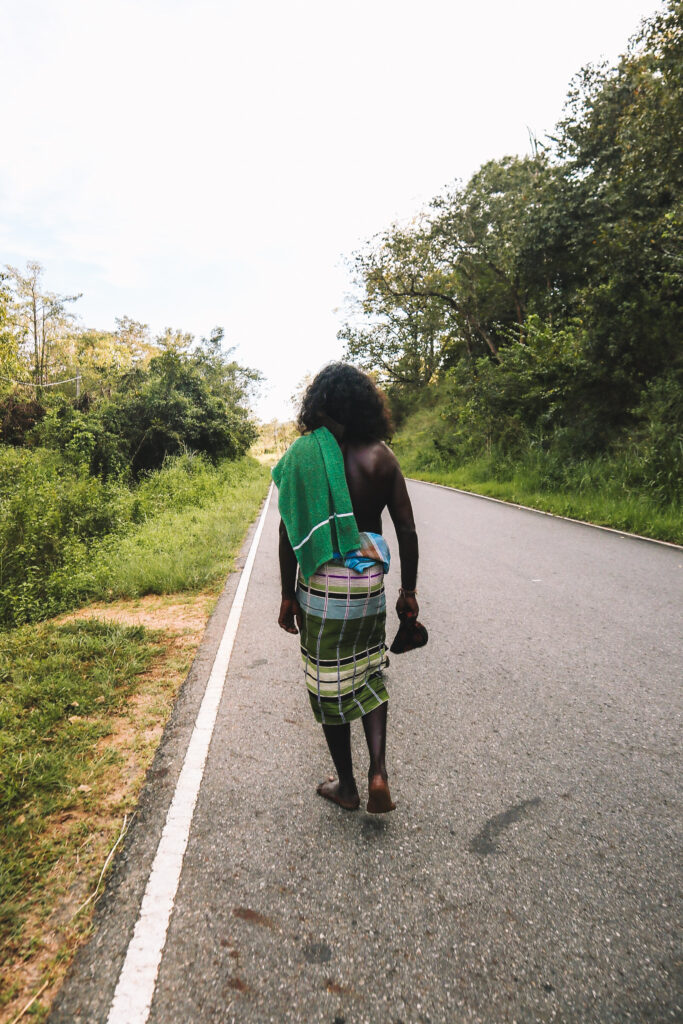
Gal Oya National Park is one of our favourite places in Sri Lanka. This national park is one of the most special stops on this Sri Lanka round trip. Whereas many safaris in Sri Lanka take place from a jeep, you discover Gal Oya from the water. The area is also managed by the last indigenous tribe of Sri Lanka, the Veddas. In the past they lived here as hunter-gatherers.
What to do in Gal Oya National Park?
Go on a boat safari on Senanayake Samudraya
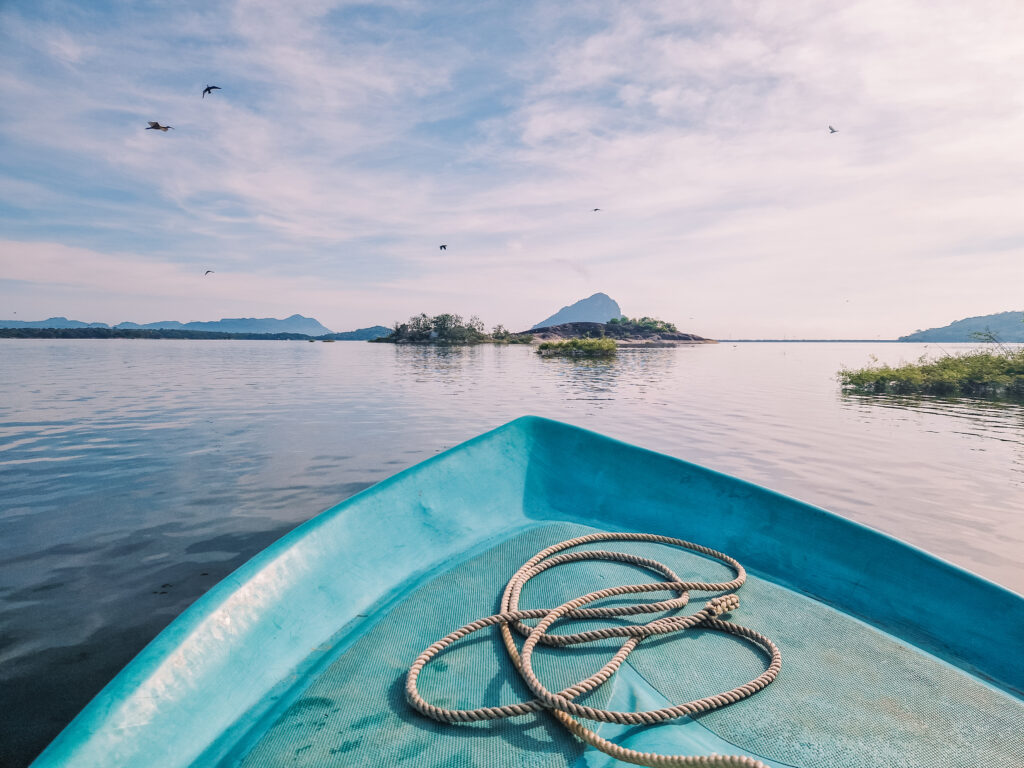
This is the activity you come to Gal Oya for. During the safari you sail across the enormous lake and, if you are lucky, spot elephants, crocodiles and hundreds of birds, among others. A truly beautiful setting that at times felt like a Jurassic Park film set. Along the way you moor at a small island for breakfast or lunch.
Good to know: Book the boat safari in advance. Only a limited number of boats are allowed on the lake each day and they fill up quickly. We had a morning boat safari, when the chance of seeing elephants is a lot smaller than in the afternoon.
Walk or dance with the Vedda tribe
Get to know the customs and habits of the Veddas, the original inhabitants of Sri Lanka. During a walk with a local guide from the community you learn more about their age-old traditions, way of life and the way they have lived in harmony with nature for generations. A special cultural experience that shows you a completely different side of Sri Lanka. Also fun: at various accommodations around Gal Oya you can attend a traditional Vedda dance performance!
Restaurant tips Gal Oya National Park
Because it is a remote area, there are no cafés here. You can only have lunch and dinner at your accommodation. In the evening there is often a barbecue or a buffet with traditional Sri Lankan dishes.
Day 13-15 Sigiriya
Travel time: 4 hours from Gal Oya National Park to Sigiriya
After the peaceful nature of Gal Oya you travel to one of the best-known places in Sri Lanka: Sigiriya. Along the way you pass the Dambulla cave temple. Definitely make a stop here! The cave temple is known for its many Buddha statues and colourful murals, which you reach via a long staircase.
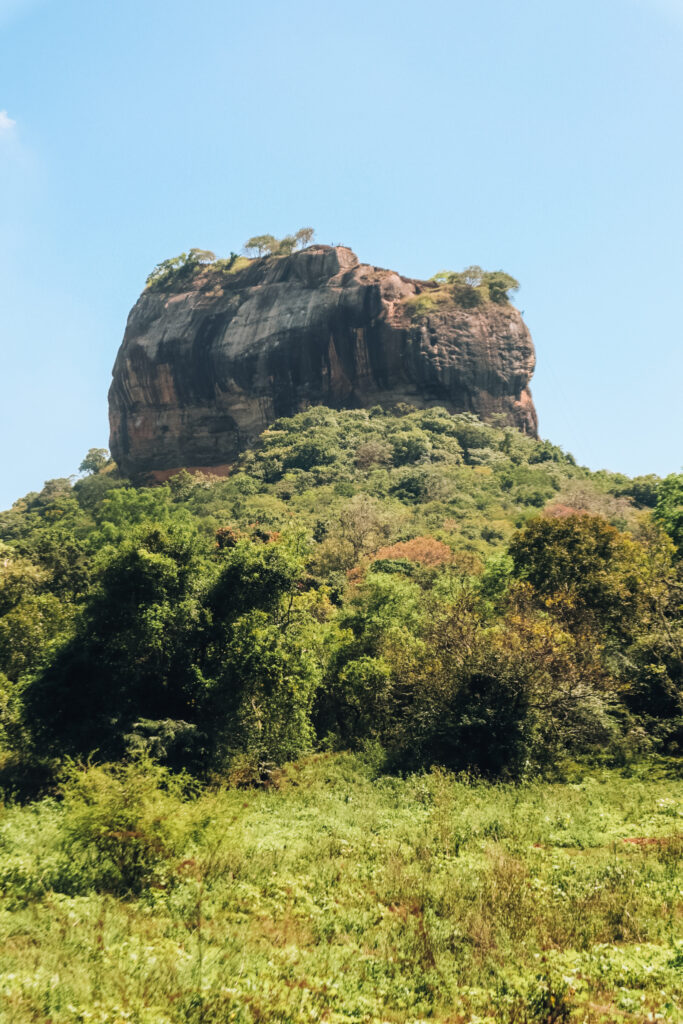
Sigiriya is mainly known for an enormous rock that almost seems to grow out of the landscape: Lion Rock. Lion Rock was once the palace of King Kashyapa and is now one of the most important historical sites in the country.
Yet Sigiriya is more than just the famous rock. The surroundings consist of green jungle, old temples, small villages and various places where you can discover wildlife. Another one of those places that made us fall in love with Sri Lanka!
What to do in Sigiriya?
Climb Lion Rock
The best-known activity in Sigiriya is of course climbing Lion Rock. The climb consists of a stretch of footpath that turns into stairs and takes about 1 hour, depending on your pace. At the top you are rewarded with a view over the jungle. More than 1,600 years ago, they had to carry this palace up this way and build it. Around the rock, symmetrical gardens, water features and fortifications were laid out, which today are among the oldest landscape architecture in the world.
Good to know: Go as early as possible. During the day the heat can be tough and it gets very busy with other climbers.
Climb Pidurangala Rock
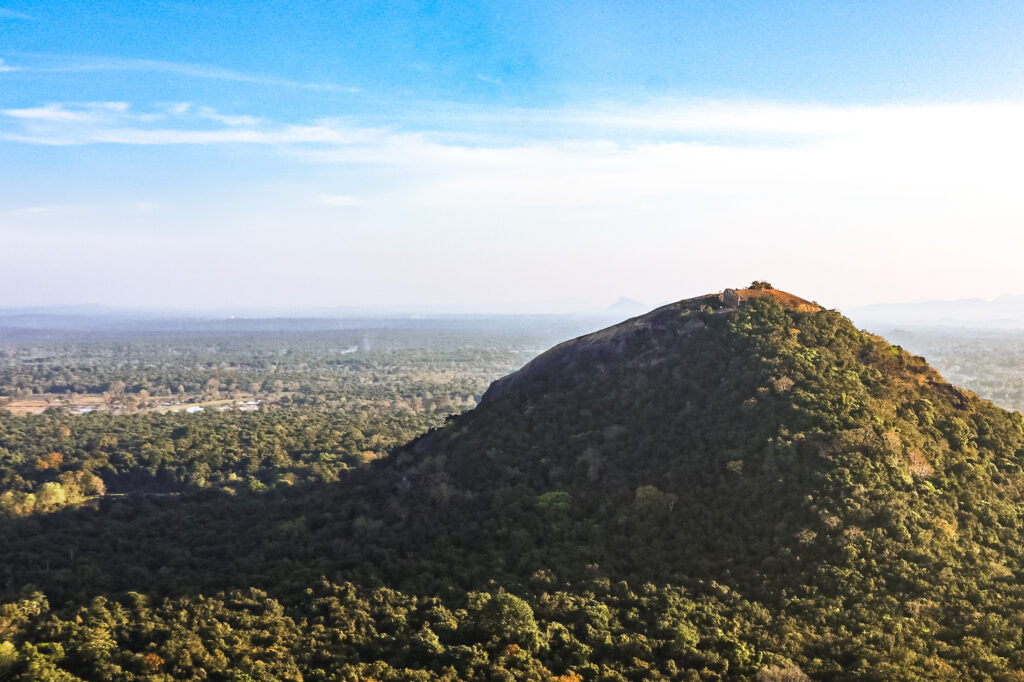
Many travellers choose Pidurangala as an alternative to Lion Rock. From here you have a beautiful view with Lion Rock in the background. The climb is shorter, but includes a stretch of scrambling over rocks with your hands and feet.
Photo tip: Sunrise or sunset from Pidurangala is one of the most beautiful views you will see in Sri Lanka! Budget tip: The entrance fee for Pidurangala Rock is a lot cheaper than for Lion Rock. Lion Rock costs about 35 USD per person, while Pidurangala Rock costs about 5 USD per person.
Go on a jeep safari through Minneriya NP, Kaudulla NP or Hurulu NP
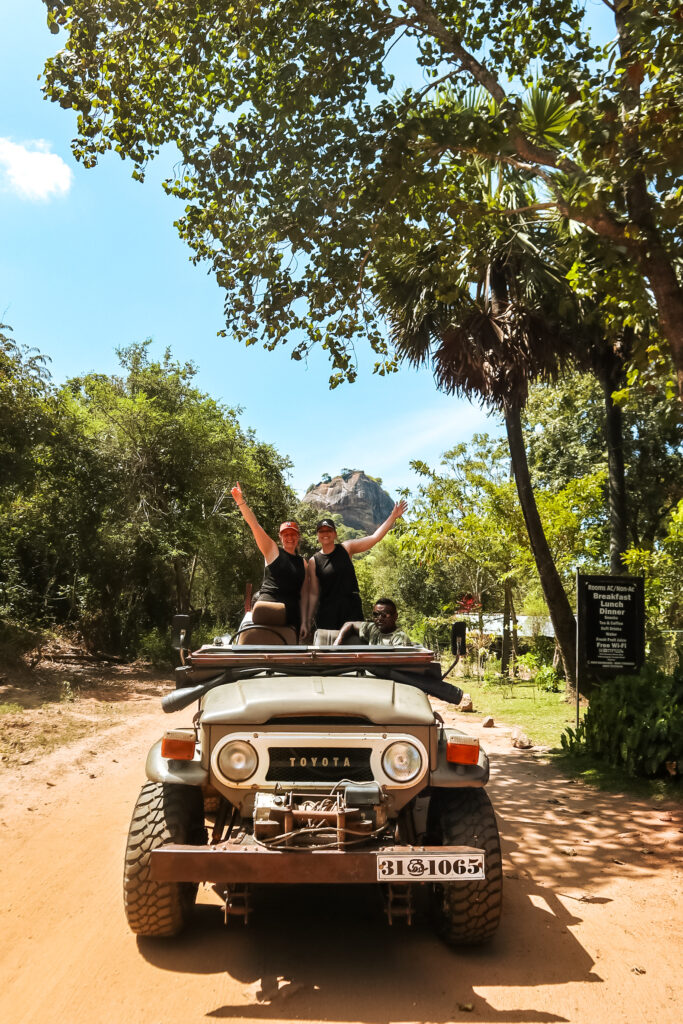
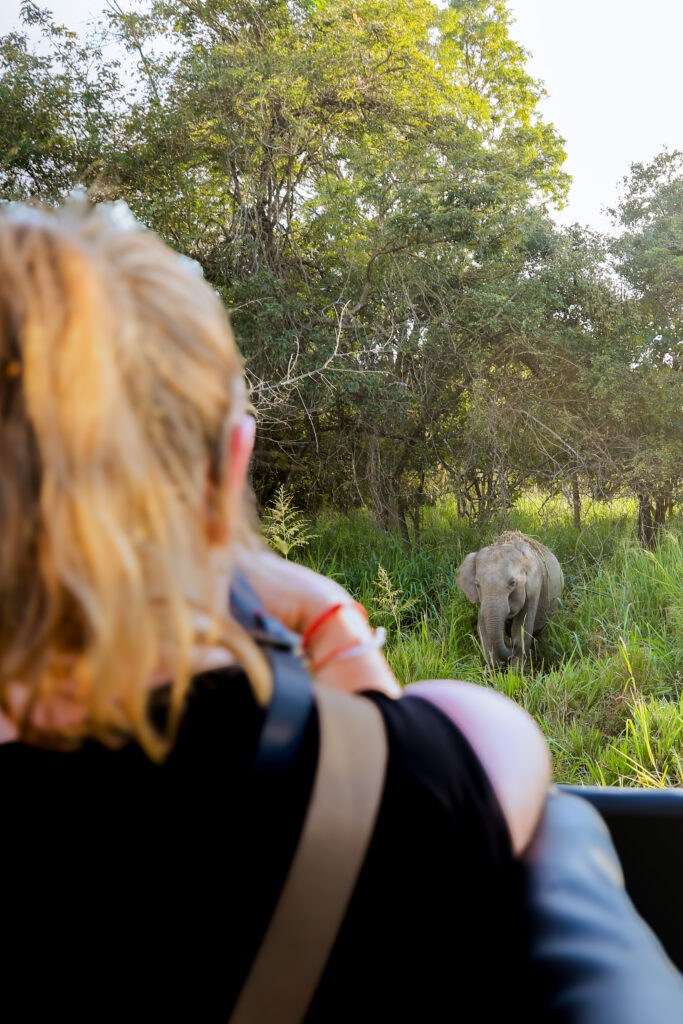
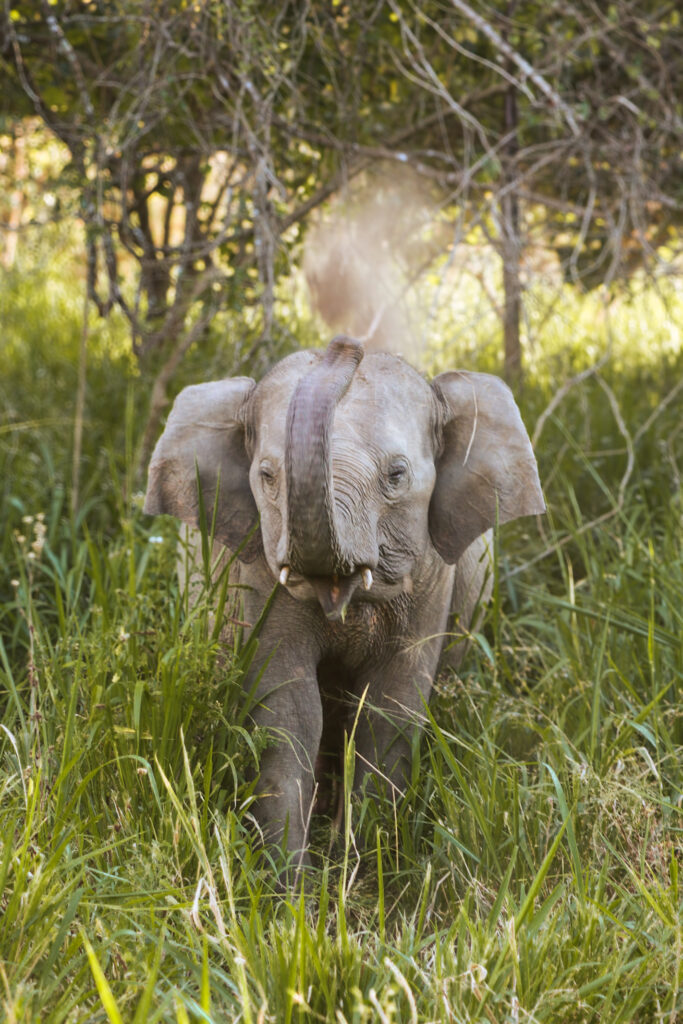
Around Sigiriya there are several national parks where you can spot Asian elephants in the wild. The most popular are Minneriya National Park, Kaudulla National Park and Hurulu Eco Park. Together these three nature reserves form one large habitat, so the elephants move freely between the parks. Which safari is best therefore depends on the season and on where the herds are at that moment. Local guides usually know exactly which park offers the best chance of wildlife.
From July to October, Minneriya National Park is often the best choice. During this period The Gathering takes place here, when sometimes hundreds of elephants come together around Minneriya lake. From September to December many elephants move towards Kaudulla National Park. Outside this period, safaris often go to Hurulu Eco Park, where elephants are also regularly spotted.
A jeep safari usually lasts 3 to 4 hours and costs on average €75 per person, depending on the number of participants, the national park and whether entrance fees are included.
Good to know: It can be very busy with other travellers during this safari, but fortunately the area is big enough to still enjoy the elephants.
Visit the ruins of Polonnaruwa
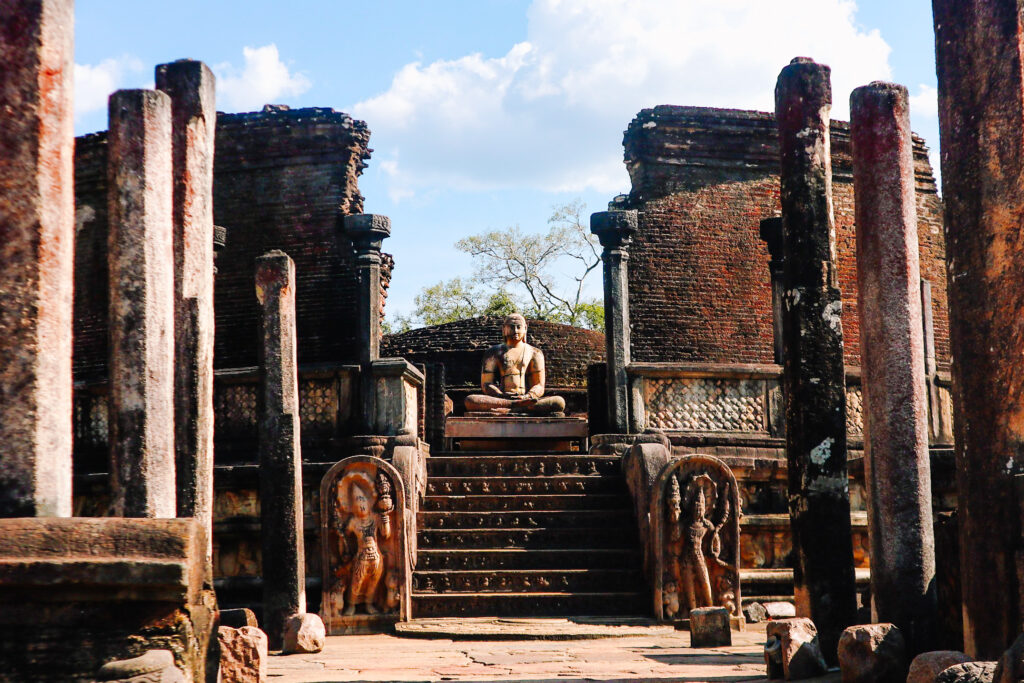
About an hour's drive from Sigiriya are the impressive ruins of Polonnaruwa, the second historic royal city of Sri Lanka and a UNESCO World Heritage Site. You will find centuries-old temples, palaces, stupas and the famous rock-cut Buddha statues of Gal Vihara.
The entrance fee for a visit is about 30 USD per person.
Budget tip: You can explore Polonnaruwa by bike (about 5 USD per person) or by tuk-tuk with a guide (about 15 USD in total). Or, like us, you can drive around the site with your own driver, so we did not have to pay extra for a tuk-tuk with a guide.
Restaurant tips Sigiriya
- Soul Food: A small restaurant with an atmospheric garden and a beautiful view of Lion Rock.
- Hogwarts Express Sigiriya: A Harry Potter-themed restaurant, where you come not only for the food but also for the special decor and cosy atmosphere.
- One Love Cafe Sigiriya: A relaxed café where you can go all day, from breakfast to dinner.
Day 15-18 Trincomalee
Travel time: 3 hours from Sigiriya to Trincomalee
After the impressive rocks and ancient kingdoms around Sigiriya, you travel on towards the east coast of Sri Lanka. Here lies Trincomalee, a destination that shows a completely different face of the island.
Whereas the south coast is known for surf beaches and lively seaside resorts, Trincomalee feels quieter and more authentic. The beaches are wide, the water is crystal clear and the area has a special mix of Sri Lankan, Tamil and colonial influences.
We mainly found Trincomalee a nice place to slow down during our round trip. After several active days of walking, temples and safaris, you can enjoy beach days, snorkelling and the underwater world here.
Good to know: Between December and March the weather in Trincomalee is changeable. There is a good chance of rain because of the northeast monsoon. That does not have to mean it rains all day; often there are one or two big showers a day.
What to do in Trincomalee?
Go on a snorkelling trip to Pigeon Island National Park
Off the coast of Trincomalee lies Pigeon Island, one of the best-known places in Sri Lanka for snorkelling. Underwater you can come across colourful fish, coral, reef sharks and turtles. The best time to visit Pigeon Island is between April and September, when the sea on the east coast is calmer.
You leave from Nilaveli Beach and the boat trip to the island takes about 10 to 15 minutes. A snorkelling trip costs on average around €15 to €30 per person, depending on the provider, the group size and whether snorkelling gear is included. Bear in mind that the national park entrance fee may come on top of that.
Good to know: Bring water shoes if you go snorkelling. Some beaches and snorkelling spots have rocky stretches.
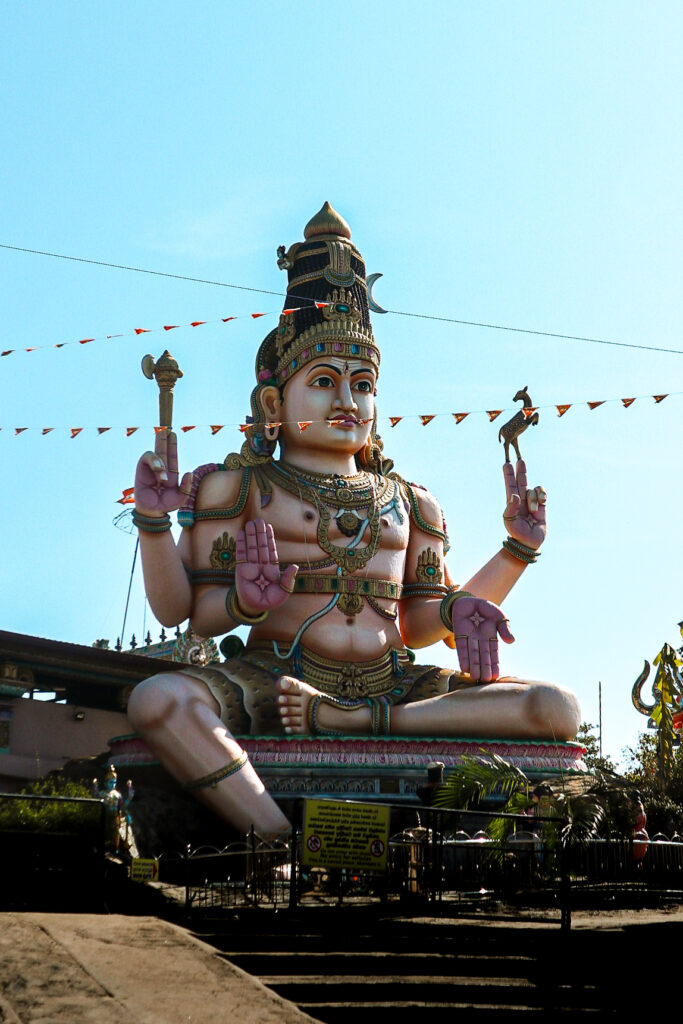
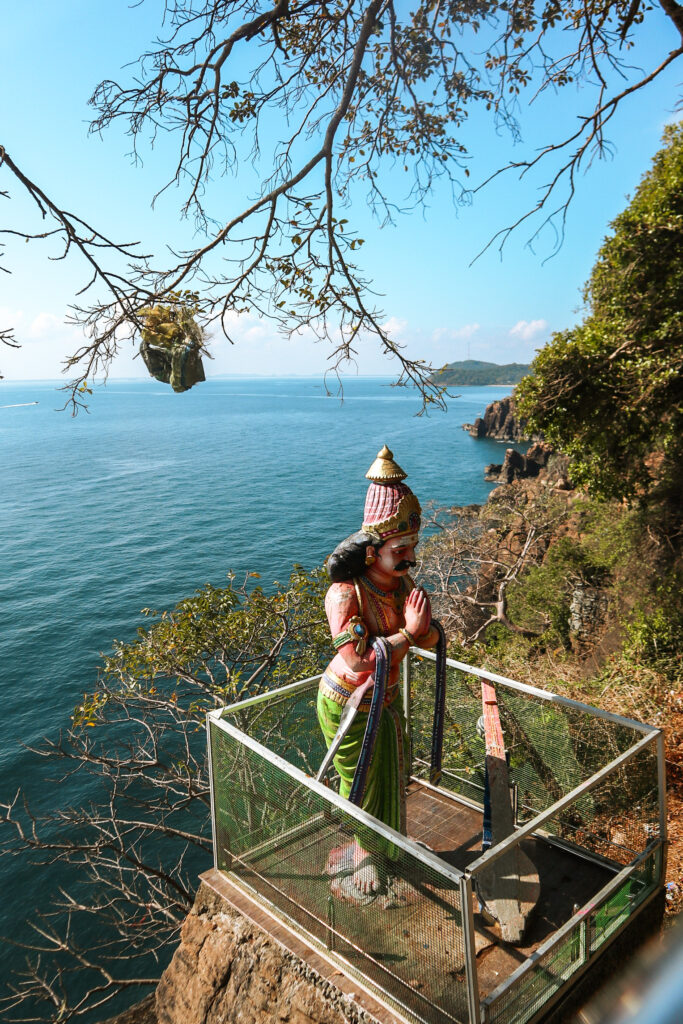
Visit Koneswaram Temple and Fort Frederick
Fort Frederick was originally built by the Portuguese and later used by the Dutch and the British. Inside the fort you will now find the Koneswaram Temple, among other things, and lots of green spots where you can walk in peace. The temple is not only culturally interesting, but also offers one of the most beautiful views over the coast.
Photo tip: Visit the temple at the end of the afternoon. The light over the ocean is beautiful then.
Visit the fish market in Trincomalee
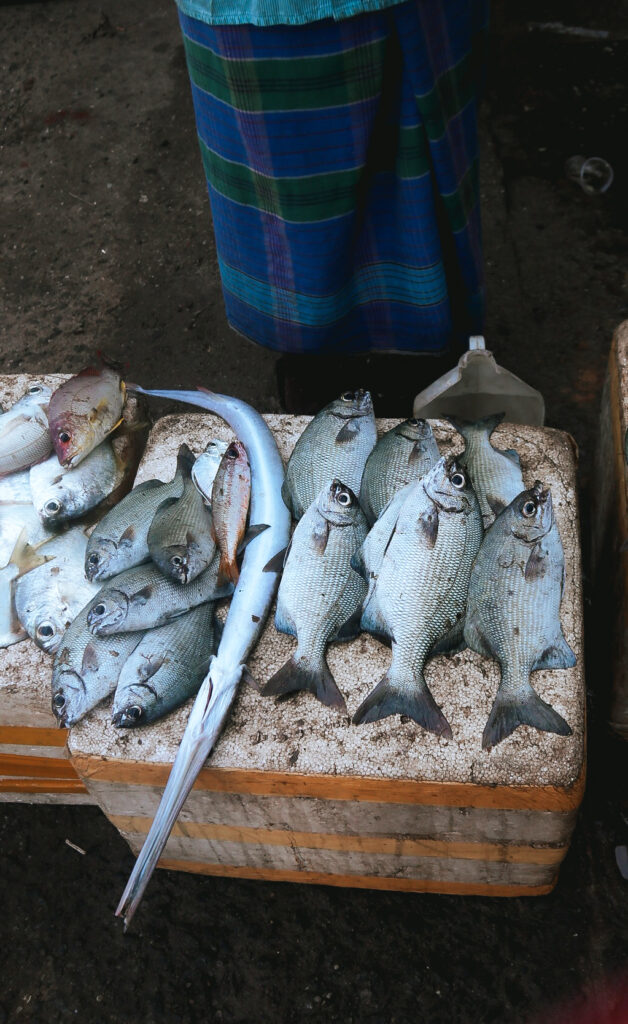
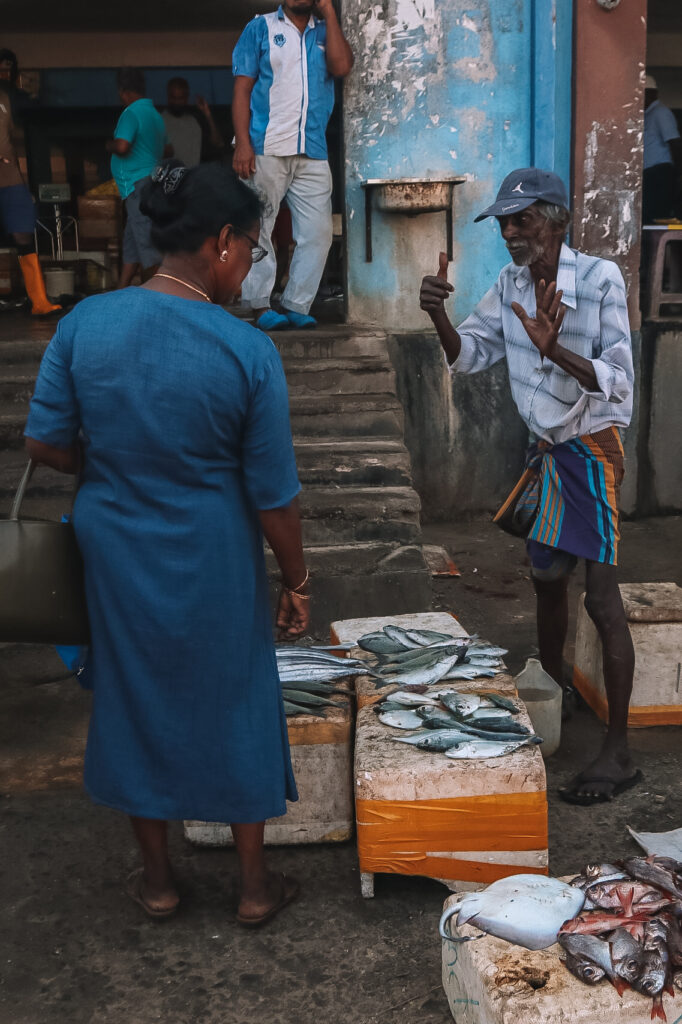
Get up early and visit Trincomalee's local fish market, where fishermen bring in their fresh catch of the day. Between the crates of fish, colourful boats and local traders, you get a nice glimpse into daily life on the coast. We even got to sing a song for one of the fishmongers, who was celebrating his birthday at the time. It is a chaotic but authentic experience you will not forget in a hurry.
Join a whale and dolphin watching trip
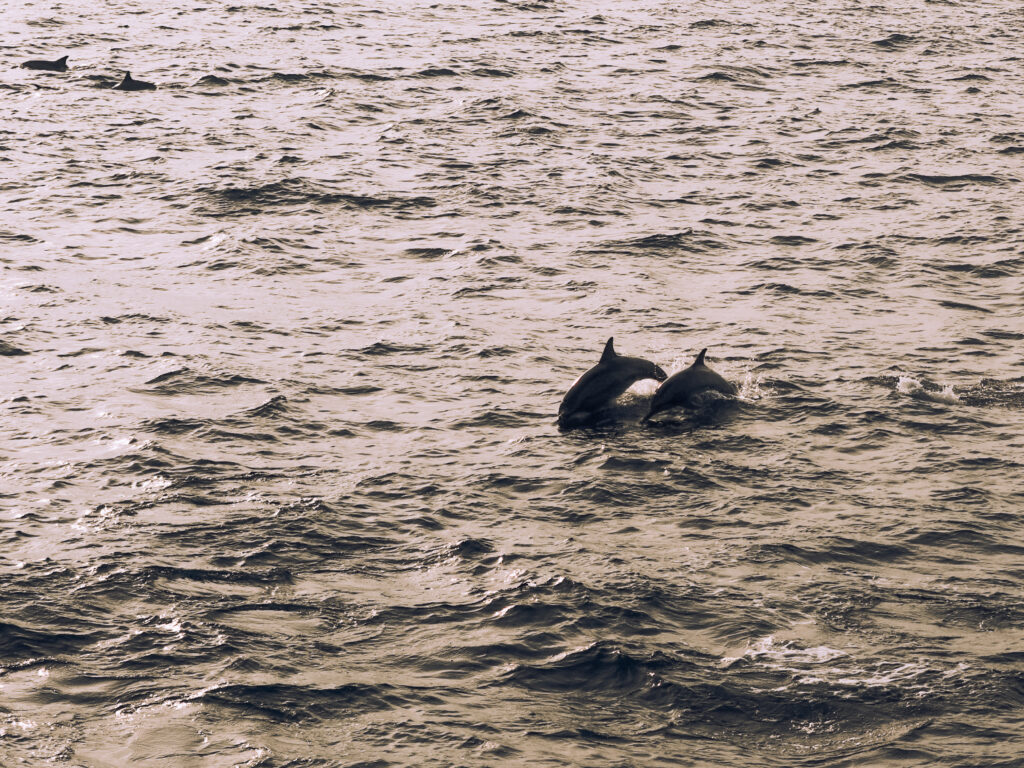
The waters around Trincomalee are among the best places in Sri Lanka to spot whales and dolphins. During a boat trip you have a chance to see blue whales, sperm whales and various species of dolphins. The best period for these excursions is from May to September, when the sea on the east coast is calmer.
A whale and dolphin watching trip lasts on average 3 to 5 hours and costs about €30 to €60 per person, depending on the provider, the group size and whether breakfast or snorkelling stops are included.
Good to know: A boat trip usually leaves early in the morning, around 6.30 am.
Restaurant tips Trincomalee
- Café On The 18th: An atmospheric place at Fernando's Beach Market with a view of the sea. A great choice for coffee, breakfast, lunch or dinner, with a mix of international dishes.
- Island Flavors: A cosy restaurant for Sri Lankan dishes, fresh fish and local flavours.
- Waves Sea Food Restaurant: Recommended for lovers of fresh fish and seafood. Enjoy local fish dishes, prawns and other seafood in a simple but atmospheric setting on the beach.
Day 18-19 Anuradhapura
Travel time: 3 hours from Trincomalee to Anuradhapura After a few relaxing days by the sea, you travel on to one of the oldest cities in Sri Lanka: Anuradhapura. This former capital was the political and religious centre of the island for centuries. Today the area is known for its enormous stupas, old monasteries and impressive ruins spread over a large area, which we found very impressive.
Unlike Galle Fort, for example, Anuradhapura is not about one compact location. The historic sites are spread out, so you really need a day here to properly take in the atmosphere.
Explore the ancient city by bike, tuk-tuk or car
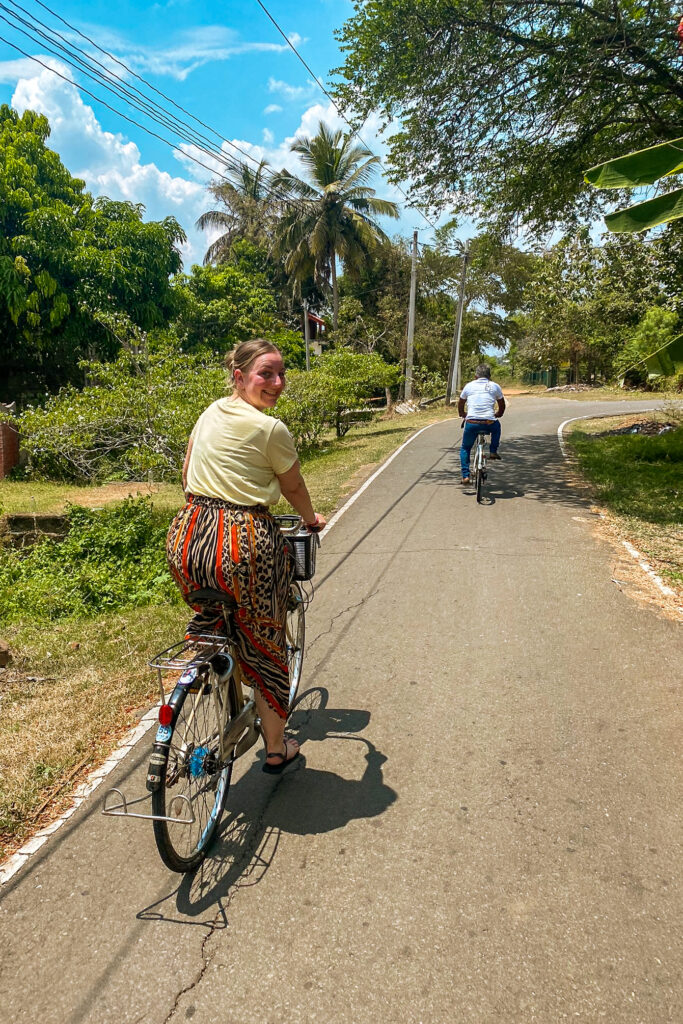
The historic city of Anuradhapura is enormously spread out, which makes it hard to see everything on foot. A bike is a nice way to discover the ancient city at your own pace, but you can also choose a tuk-tuk or a car with a driver. Along the way you pass centuries-old ruins, impressive temples, sacred trees, peaceful lakes and green avenues.
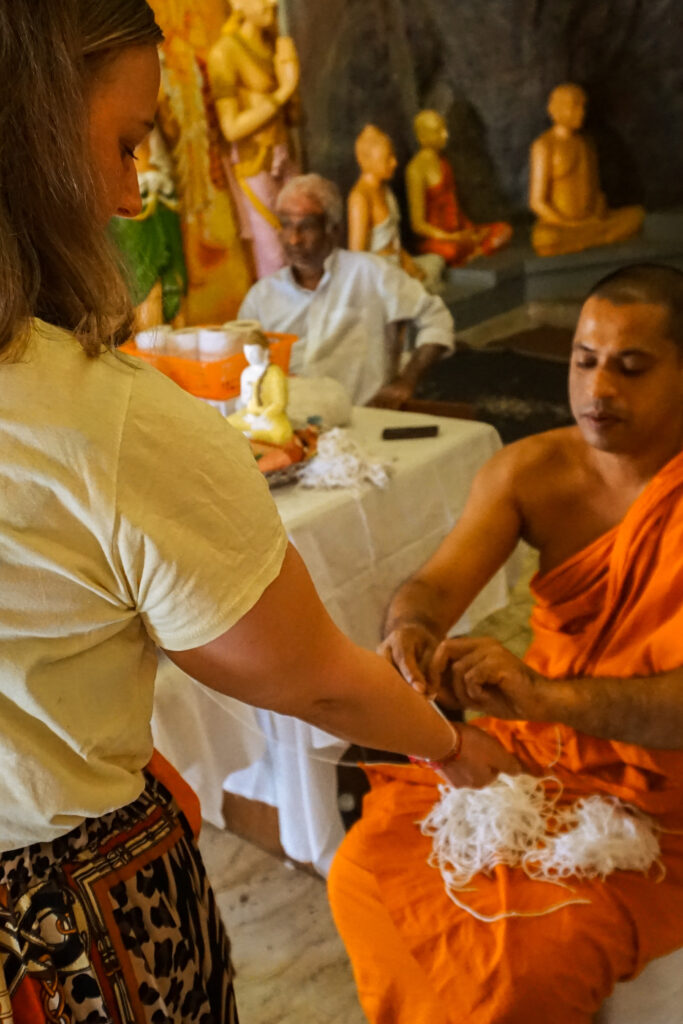
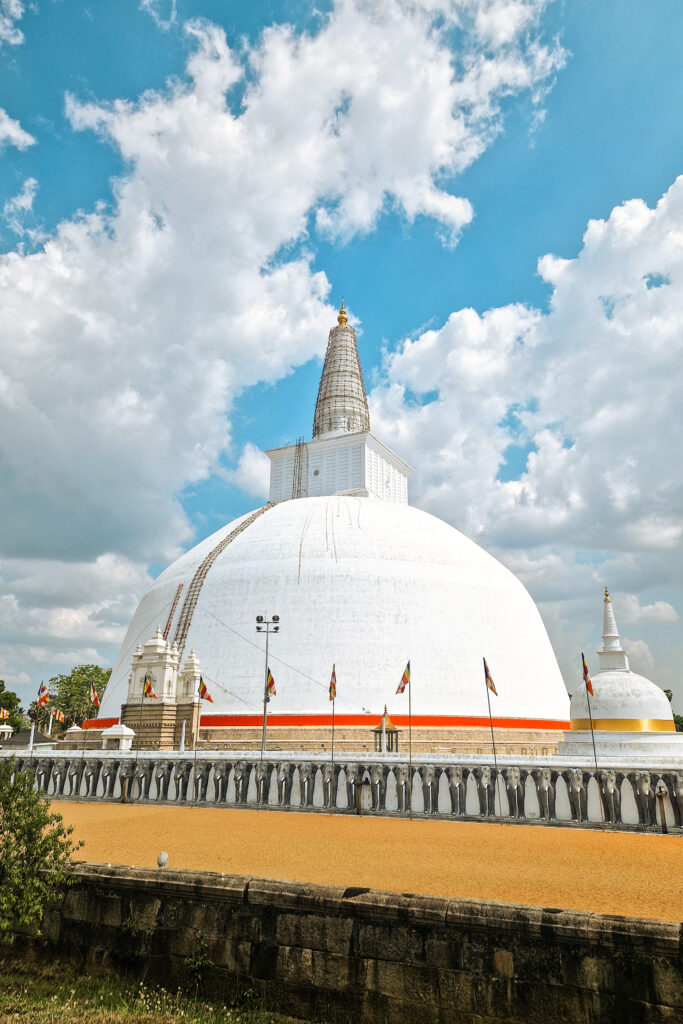
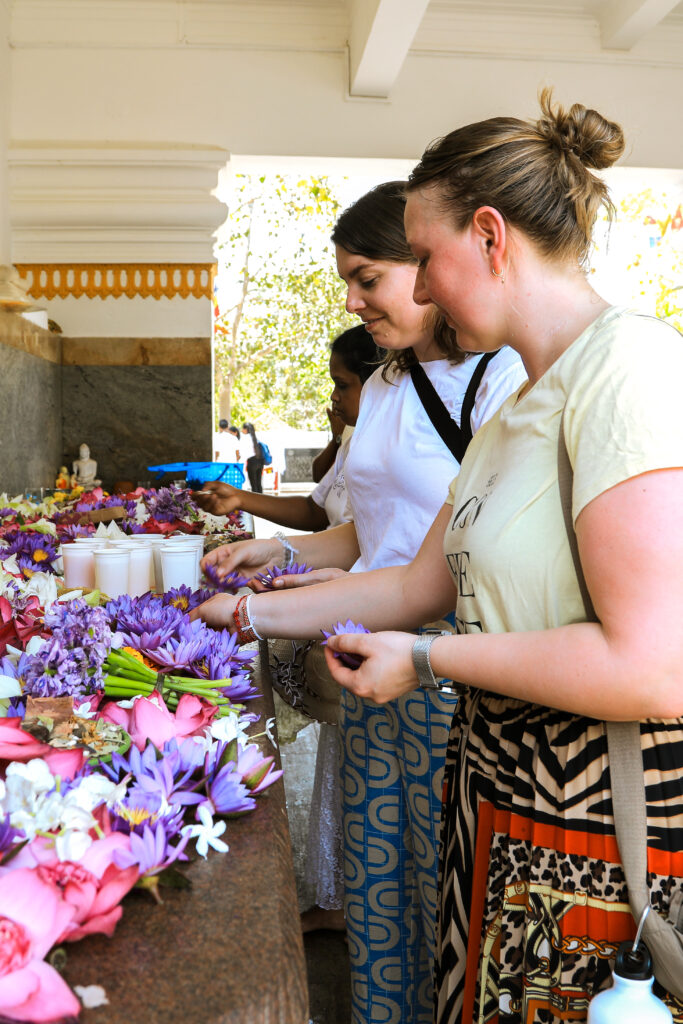
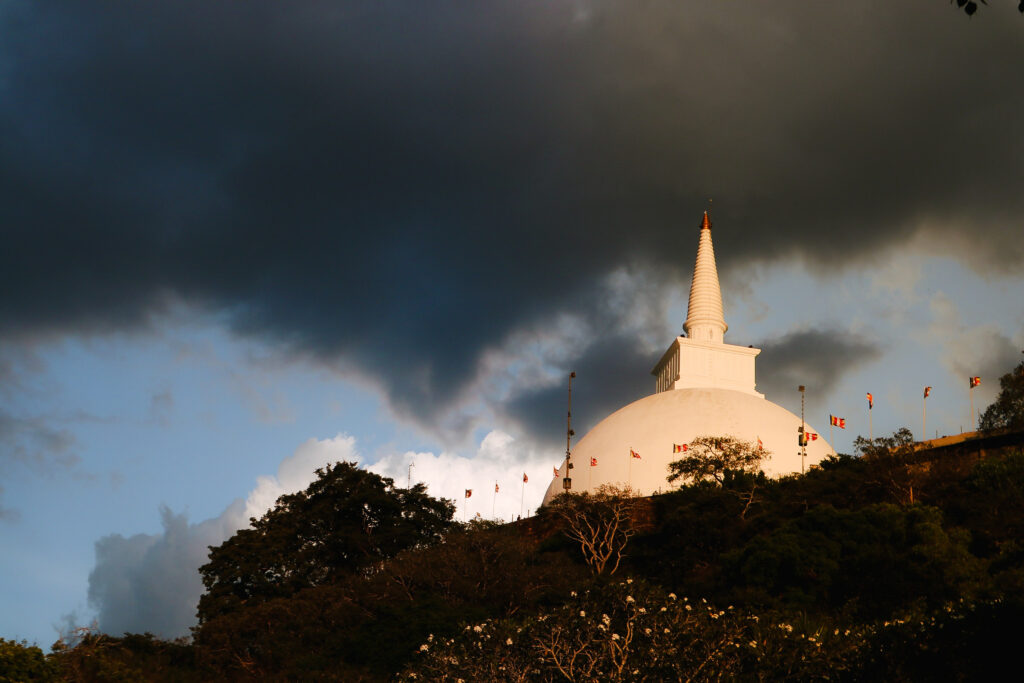
Be sure to visit the Sri Maha Bodhi Tree, one of the oldest documented trees in the world and an important Buddhist pilgrimage site. The enormous white Ruwanwelisaya Stupa is a must too. Other highlights are the Jetavanaramaya Stupa, once one of the tallest structures of the ancient world, the Abhayagiri Dagoba, the meditating Samadhi Buddha and the atmospheric Isurumuniya Temple with its famous rock carvings and the centuries-old Isurumuniya Lovers.
The entrance fee for the ancient city of Anuradhapura is about US$30 per person. Renting a bike costs on average 500 to 1,000 Sri Lankan rupees per day (about €1.50 to €3). A tuk-tuk with a driver for a tour usually costs around 3,000 to 5,000 Sri Lankan rupees.
Good to know: You are not allowed to enter any of the stupas and temples wearing shoes. If you wear sandals, bring socks for the hot tiled floors.
Visit Mihintale
About 15 kilometres from Anuradhapura lies Mihintale, an important Buddhist pilgrimage site and the place where Buddhism was introduced in Sri Lanka. Via a long staircase with hundreds of steps you reach various temples, stupas and viewpoints over the surrounding landscape. Mihintale is a particularly beautiful place to visit around sunset, when local pilgrims gather and the area takes on a calm, spiritual atmosphere.
The entrance fee for Mihintale is about 2,000 Sri Lankan rupees per person (about €5).
Good to know: Expect quite a climb and wear appropriate clothing; shoulders and knees must be covered.
Restaurant tips Anuradhapura
- Hudo Lounge: An atmospheric lounge with a green garden where you can relax after a hot day full of temples. You can go here for coffee, smoothies, international dishes and a peaceful atmosphere.
- Arachchi Restaurant Anuradhapura: A cosy restaurant where you can enjoy Sri Lankan dishes with a modern look.
- Thisawewa Delite: An atmospheric restaurant close to Tissa Wewa lake in a peaceful setting. A good choice for traditional Sri Lankan dishes and a relaxed dinner after visiting the ancient city.
Day 19-20 Wilpattu National Park
Travel time: 1.5 hours from Anuradhapura to Wilpattu National Park
The last safari experience of our round trip was Wilpattu National Park. This park is the largest national park in Sri Lanka and is known for its peaceful, vast landscape. Wilpattu is also a lot less visited, which is why we think it is one of the most beautiful national parks. The park consists of forests, grasslands and natural lakes. This makes a safari here feel more adventurous and less predictable.
What to do in Wilpattu National Park?
Go on a jeep safari through Wilpattu National Park
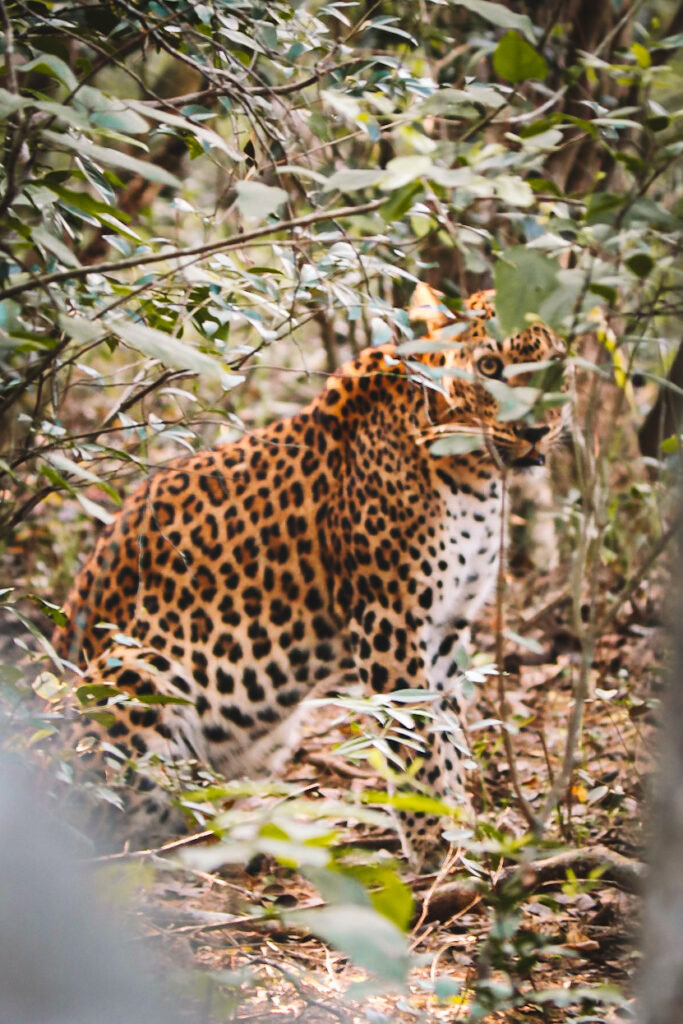
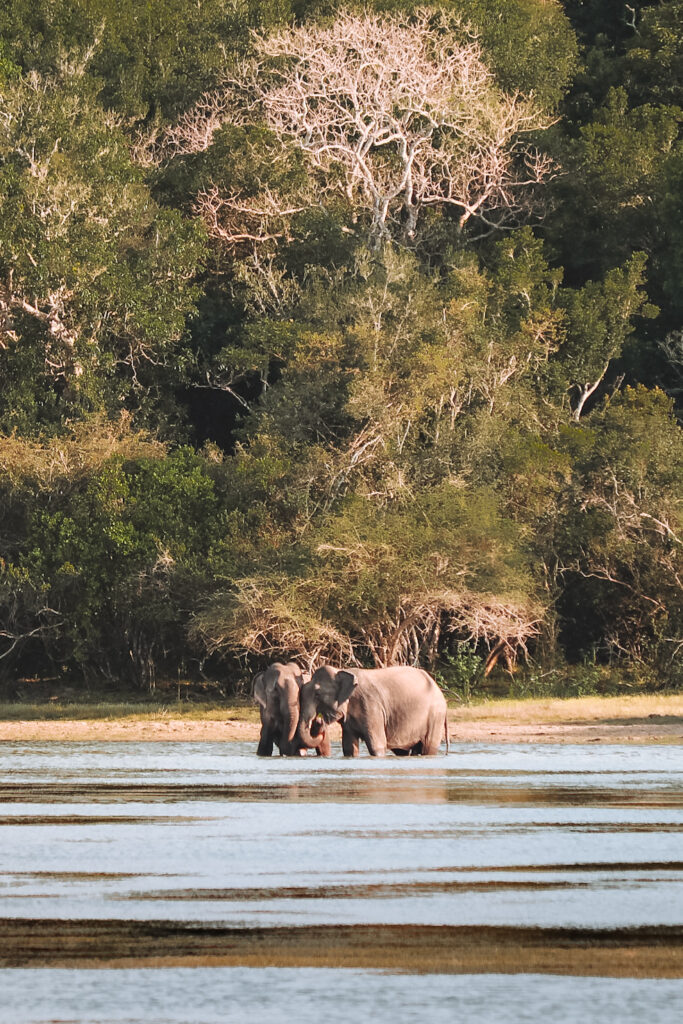
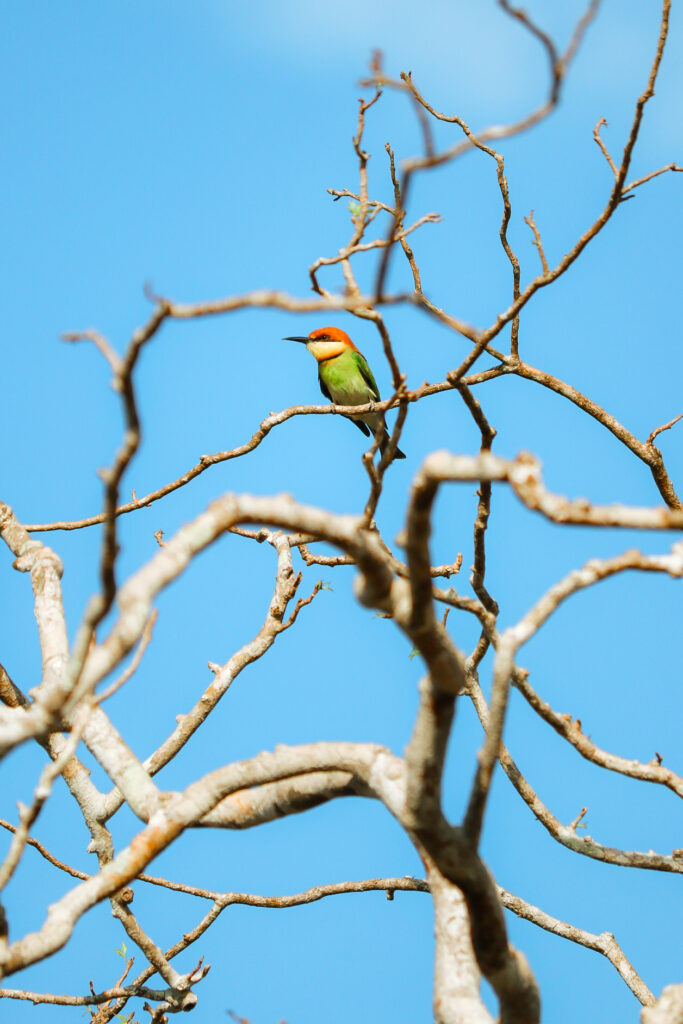
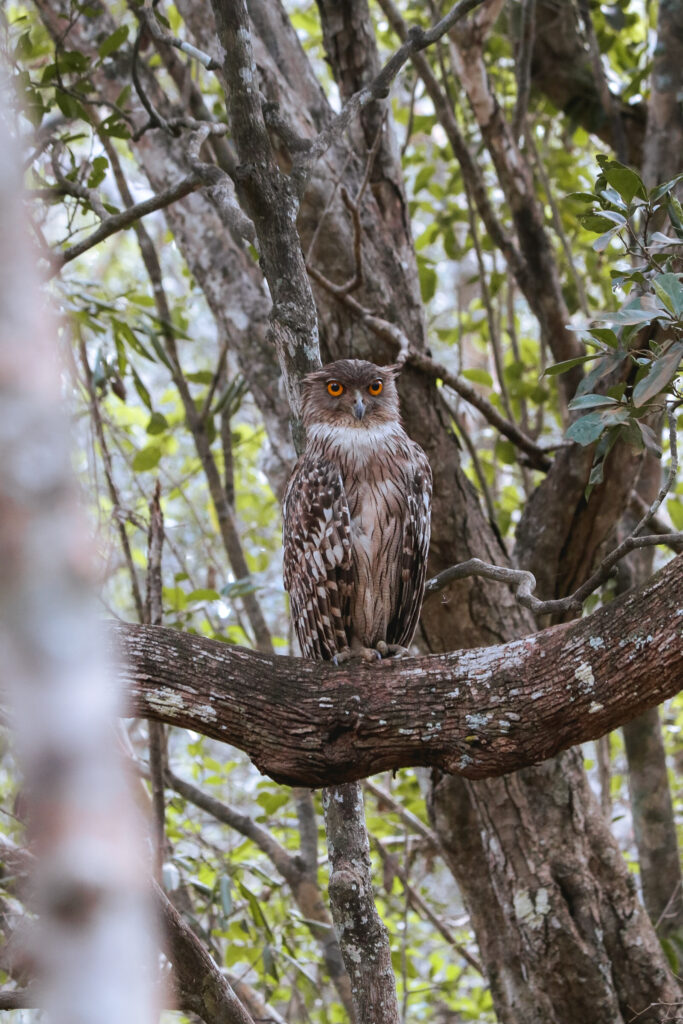
The best way to discover Wilpattu is on a safari. Because the park is big, you are out for several hours. Early morning and afternoon safaris give you the best chance of spotting animals. You can also go on a full-day safari, including lunch in the middle of the park. During a jeep safari you look for various animals, including leopards, Asian elephants, sloth bears, water buffalo, crocodiles and various bird species.
A half-day safari usually lasts about 3 to 4 hours and costs on average €40 to €70 per person. A full-day safari lasts about 8 to 10 hours and costs on average €80 to €120 per person. The price depends on the number of people in the jeep, the provider and whether entrance fees, the driver and meals are included.
Join a night walk in search of the loris
Besides a jeep safari, in the area around Wilpattu you can also go looking for one of the most special nocturnal animals in Sri Lanka: the loris. During a guided night walk you head into the forest with a local guide, armed with a torch, in search of these small nocturnal primates with their big eyes.
The chance of spotting a loris is never guaranteed, but it is precisely the searching through the dark forest that makes the experience special. Along the way you learn more about the nocturnal animals and sounds of the jungle, such as frogs, insects and other animals that stay hidden during the day.
Good to know: A night walk usually takes about 1 to 2 hours. Wear good shoes and long clothes against mosquitoes and bring a small torch. Ask your accommodation in advance whether they organise this excursion and what it costs, as the options around Wilpattu are limited.
Restaurant tips Wilpattu National Park
Because it is a remote area, there are no cafés here. You can only have lunch and dinner at your accommodation. There is often a barbecue in the evening, or you can simply say what you would like to eat.
Day 20-22 Negombo
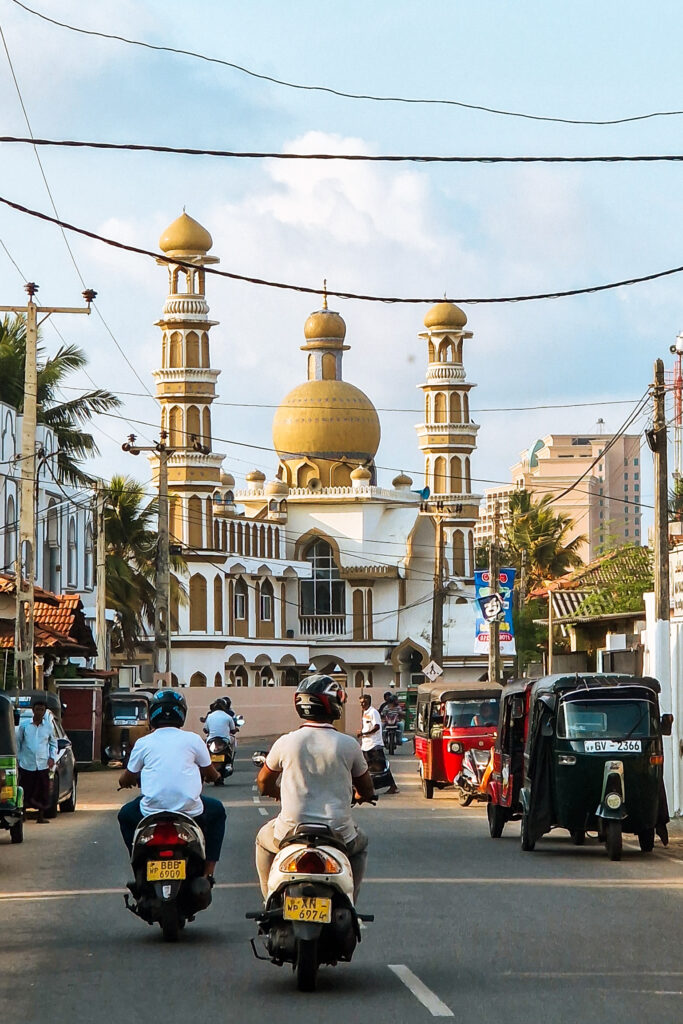
Travel time: 3 hours from Wilpattu National Park to Negombo The last stop on this round trip is Negombo, a practical and pleasant way to finish close to the airport. This town has a number of nice places to end your trip in a relaxed way. You will find beaches, fish markets, canals and a laid-back atmosphere here. Because the airport is close by, Negombo is also ideal for your last night before flying home.
What to do in Negombo?
Explore Negombo on a guided bike tour
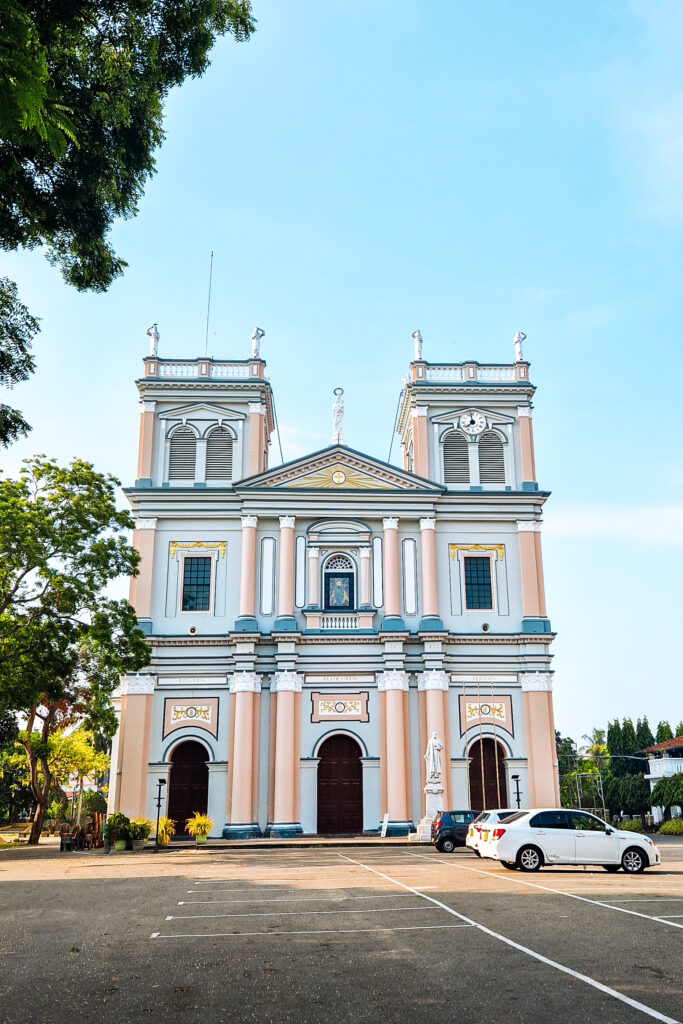
Discover the lesser-known sides of Negombo on a bike tour with a local guide. You cycle through quiet streets, past colourful markets, churches, fishing neighbourhoods and places where you see the daily life of the residents up close. A fun way to look beyond just the beach and the hotels and experience the local culture of Negombo.
A guided bike tour through Negombo costs on average about €25 to €40 per person.
Good to know: Bear in mind that the traffic can be quite chaotic, which makes this excursion less suitable for children.
Take a boat trip on the Hamilton Canal and the lagoon
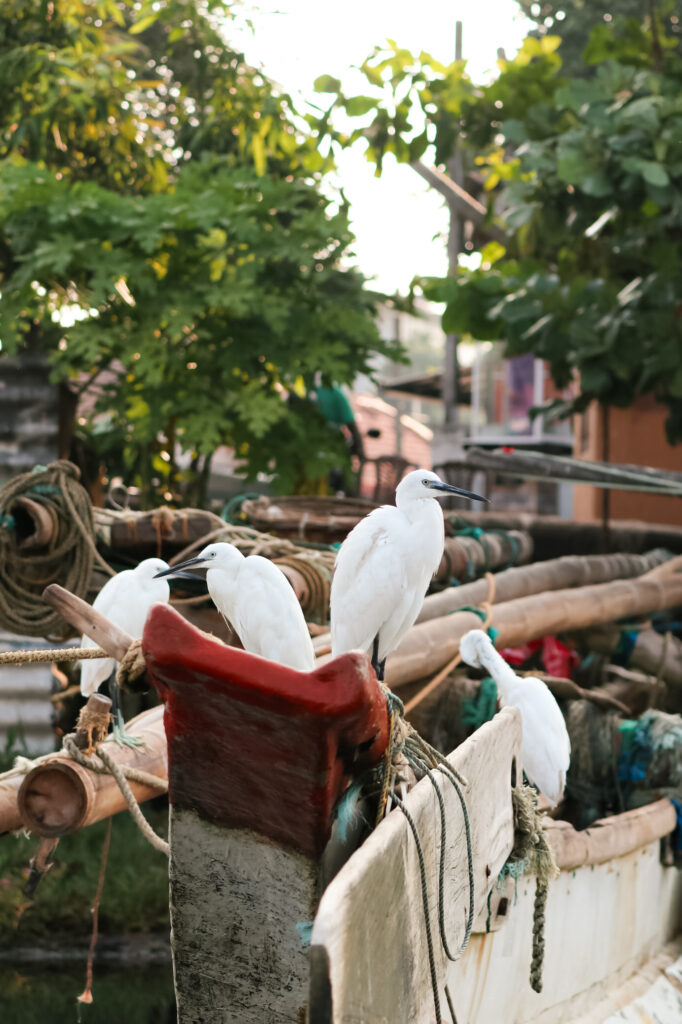
One of the most fun ways to discover Negombo, we thought, is a boat trip on the Hamilton Canal and the Negombo lagoon. The canal was built during the Dutch colonial period and runs right through the city towards the coast. Be sure to go early in the morning around sunrise, because then you sail past the lively fish market where fishermen bring in their fresh catch and local traders sell the fish.
As the sun slowly rises above the water, the surroundings come to life. Along the way you not only enjoy the local life along the canal, but also have a chance to spot monkeys, monitor lizards and various bird species. Complete the experience with a fresh coconut on board as you glide calmly through the lagoon. A relaxed and special way to end your trip to Sri Lanka.
A boat trip on the Hamilton Canal and the Negombo lagoon costs on average about €20 to €40 per boat (depending on the duration and the number of people).
Restaurant tips Negombo
- TukTuk Wine & Dine: An atmospheric restaurant and a great place for a fun evening with good cocktails, sometimes live music and good food.
- Zen Café: A relaxed little café to escape the crowds. You will find good coffee, fresh juices and homemade dishes here.
- Koko Beach Club: A relaxed spot on the beach where you can enjoy a drink, fresh fish and other dishes with a view of the sea. Especially around sunset this is a lovely place.
Practical tips for Sri Lanka
Before you go
Visa (ETA)Free, apply online in advance; your passport must still be valid for 6 months on arrival → Vaccinations and healthNo mandatory vaccinations, but often recommended (DTP, hepatitis A, typhoid); bring a first aid kit →On the ground
Frequently asked questions about a round trip through Sri Lanka
How many days do you need for a round trip through Sri Lanka? +
For this route we recommend about three weeks. That gives you enough time for beaches, culture, mountains and wildlife without being on the road every day.
Is Sri Lanka suitable for a first round trip through Asia? +
Yes. Sri Lanka is relatively easy to travel in, you will be welcomed warmly and it has good tourist facilities. With a private driver it becomes even easier to travel around in a relaxed and comfortable way.
Is a trip to Sri Lanka expensive? +
The costs depend on the length of the trip, the type of car and the season. When you travel with several people, the cost per person is often more attractive, because you share the costs of the private driver. In the high season from December to March and in July and August, prices are considerably higher than in the low season (April to June and September to November). Do you need to travel during the school holidays? Then consider the May holiday.
Is Sri Lanka safe to visit? +
Sri Lanka is safe to travel in. As everywhere: use your common sense, keep an eye on your belongings and follow local advice.
Can you take a suitcase to Sri Lanka? +
Yes, you can simply travel to Sri Lanka with a suitcase, especially if you travel with a driver! If you travel by public transport, a backpack or soft travel bag is more practical.
Is Sri Lanka a good destination with children? +
Yes, Sri Lanka is a great destination to visit with children. The short travel distances and the variety of beaches, nature, culture and wildlife mean there is something to experience for every age. If you travel with a driver, you can easily stop along the way when needed and you do not have to worry about the traffic. Cots and child seats can often be arranged with accommodations and transport too. Young children are allowed on safari, so families with small children can also discover the special nature of Sri Lanka.
What should you not forget to bring on a round trip through Sri Lanka? +
What you definitely should not forget is DEET or another mosquito repellent, a universal adapter and your camera! It is also handy to bring a cardigan, because it can be a bit cooler in the mountains. Want to know what else is handy to bring? See our extensive packing lists here so you do not forget anything!
Can you combine a round trip through Sri Lanka with the Maldives? +
Yes, ending a round trip through Sri Lanka in the paradise of the Maldives is the perfect combination! There are several flights a day from Colombo to the Maldives. Within an hour and a half you are at this tropical destination. There are also good connections for the journey home from the Maldives to Amsterdam, Brussels or Düsseldorf.