
Discover the North Holland Dune Reserve
The North Holland Dune Reserve (Noordhollands Duinreservaat) is an area that runs from Wijk aan Zee to Schoorl. You will find beautiful walking routes, wildlife and stunning vistas. You will completely unwind when you take a walk through this area.
Netherlands
Discover the North Holland Dune Reserve
The North Holland Dune Reserve is an area of dunes, beaches and forest edges that runs from Wijk aan Zee to Schoorl. It covers 5,300 hectares, is about 20 kilometres long and on average 2.5 kilometres wide. The area is used in three places for drinking water extraction and also as protection against flooding. In the northern, hilly part, which runs from Schoorl to Egmond aan Zee, there is one such drinking water extraction site. Here water from the IJsselmeer flows into the dunes, where it seeps away, is purified and pumped up again. In the southern, flat part, between Castricum and Wijk aan Zee, there are also two drinking water extraction sites.
Visitor centre
At the De Hoep visitor centre in Castricum you can learn all about how water is purified in this dune area. Throughout the year De Hoep organises activities and excursions, especially for children. In the Hoeptuin garden you can see how the dune landscape was formed, and you will find a butterfly garden, a pond and a bird-watching wall. Backpacks for a treasure hunt through the garden are available at the desk.
Accessibility
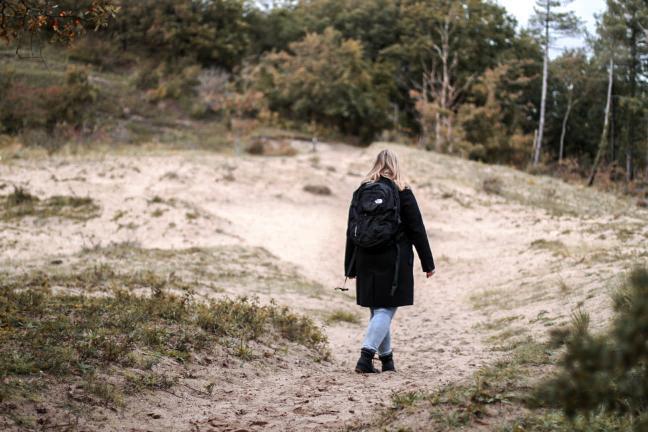
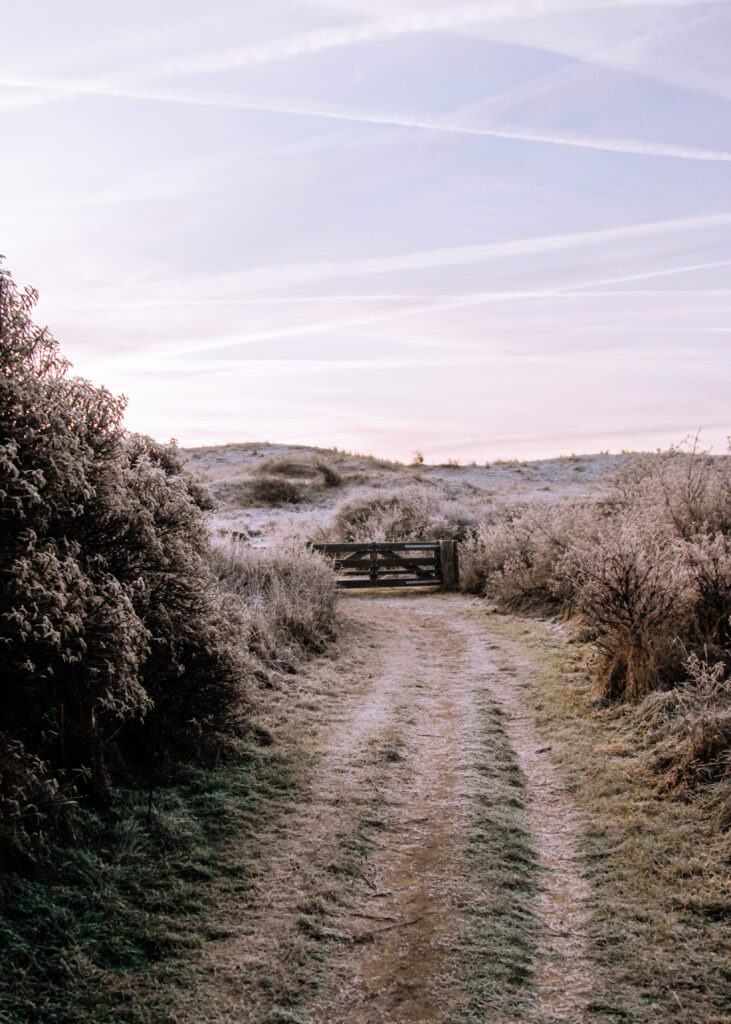
Throughout the dune area you will find a good network of paths, paved and unpaved. Walking routes are marked with coloured posts. Along the way you will always come across a bench where you can rest for a while. All the benches are numbered, so that in case of a dune fire the fire brigade knows exactly which bench to head for. There are also a number of paths accessible to people with limited mobility. In Schoorl a Zonnetrein (solar train) has even been set up for people who want to enjoy nature but are no longer very mobile. The Zonnetrein combines mobility and sustainability. The train is very quiet, so it does not disturb nature.

Climbing dune
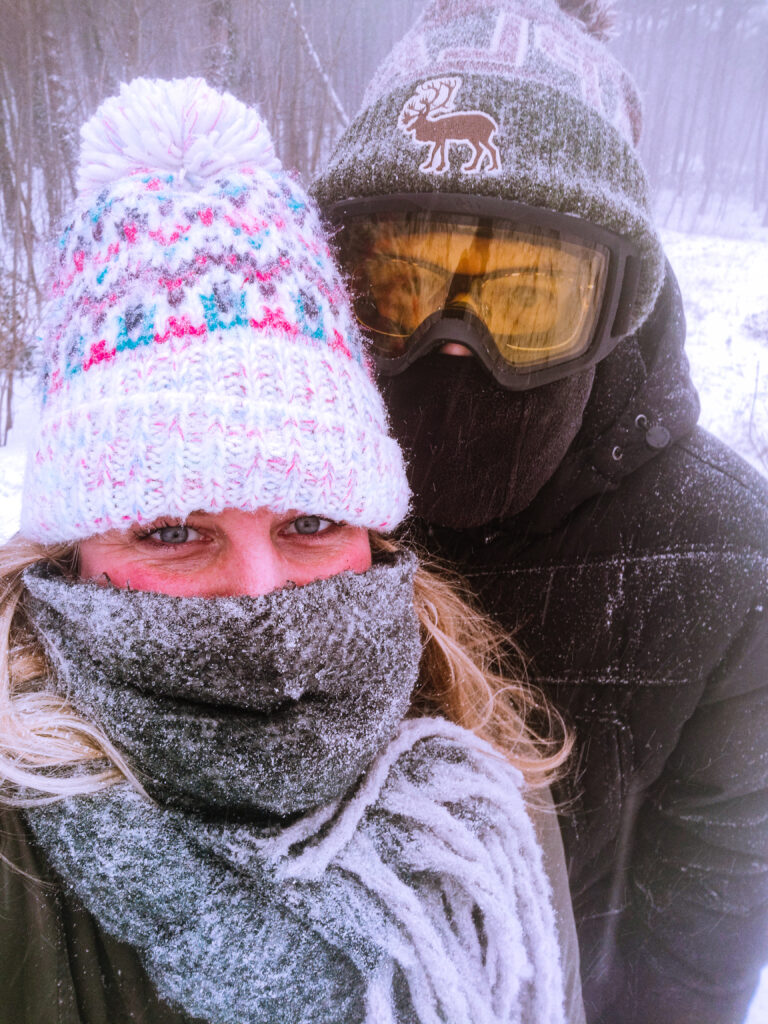
Also in Schoorl you will find a climbing dune 51 metres high. At the foot of the climbing dune there are pleasant terraces where, after climbing, you can get a delicious pancake, for example, or as a parent easily keep an eye on your children with a cup of coffee. Various walking routes start from the climbing dune through the dunes to the beach. A lovely activity for a free afternoon.
Spotting wildlife
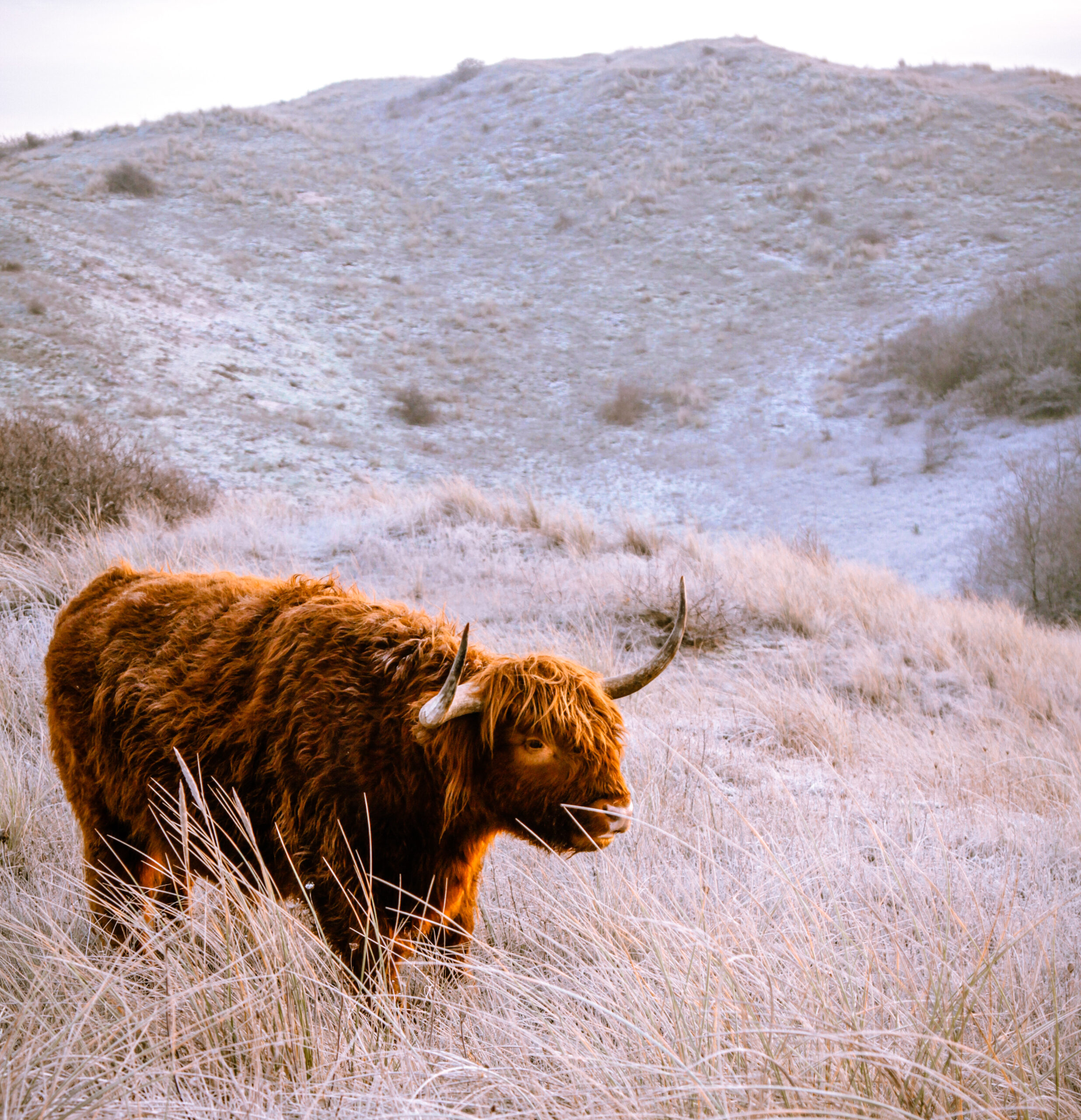
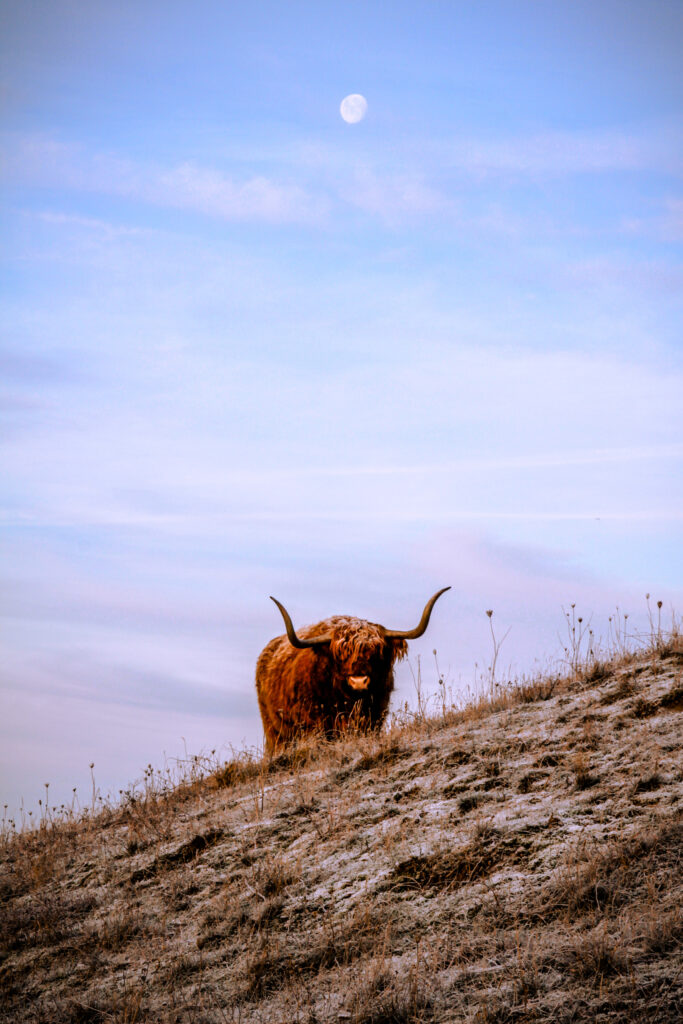
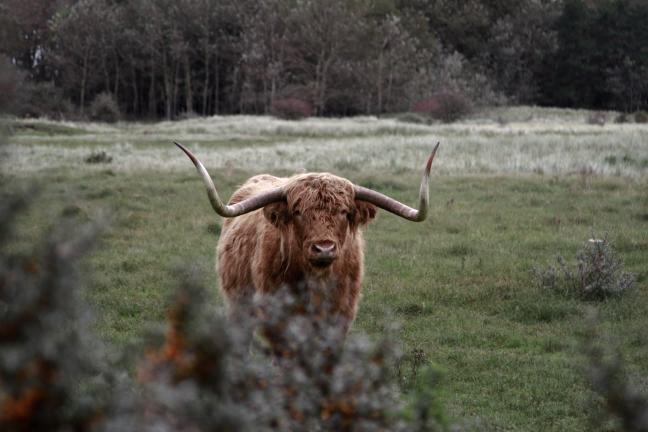
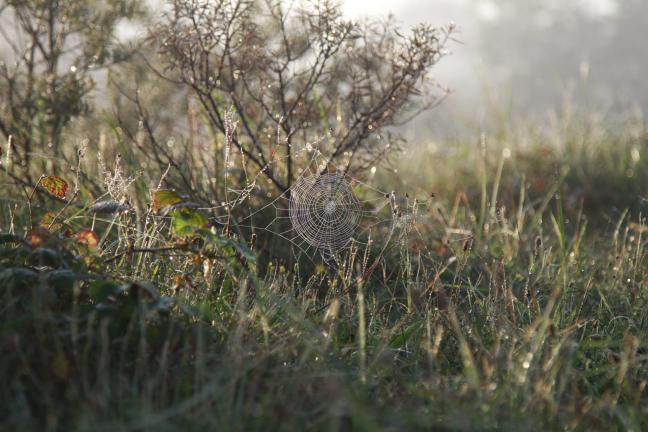
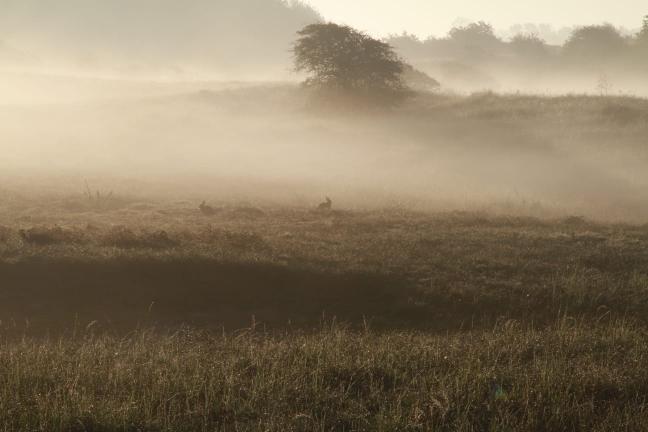
You regularly come across wildlife in the dunes. Early in the morning you will see lots of rabbits and hares, and by the ponds there are often wild horses or Highland cattle, especially near the dunes at Egmond-Binnen or 't Woud. Spread across the North Holland dune area you will find several bird hides. Ringed plovers and Kentish plovers breed here, but you can also see other wildlife from them. Also look out for small details while walking, such as butterflies and insects. You will be amazed at how many different unfamiliar creatures you come across.

When you visit the North Holland Dune Reserve, parking is usually free, but you do need a dune pass (duinkaart). You can buy one online or on the spot; a day pass costs only €2.00 and actively contributes to nature conservation!
For more inspiration, check out Dutchtravelfreak on Instagram.
Practical tips for the North Holland Dune Reserve
Preparation
On the spot
Frequently asked questions about the North Holland Dune Reserve
Where is the North Holland Dune Reserve? +
The area of dunes, beaches and forest edges runs from Wijk aan Zee to Schoorl. It is about 20 kilometres long, on average 2.5 kilometres wide and covers 5,300 hectares.
Do you need a dune pass? +
Yes, to visit the North Holland Dune Reserve you need a dune pass. A day pass costs €2.00 and can be bought online or on the spot. The proceeds contribute to nature conservation.
Can you park for free? +
Parking at the North Holland Dune Reserve is usually free.
What is there to do with children? +
At the De Hoep visitor centre in Castricum there are activities and excursions for children all year round, and in the Hoeptuin garden you will find a butterfly garden, a pond and a bird-watching wall. Pick up a backpack at the desk for a treasure hunt. In Schoorl, children can climb the climbing dune.
How high is the climbing dune in Schoorl? +
The climbing dune is 51 metres high. At its foot there are terraces for a pancake or a cup of coffee, and walking routes to the beach start from the dune.
Where can you see wildlife in the North Holland Dune Reserve? +
Early in the morning you will see lots of rabbits and hares. By the ponds there are often wild horses or Highland cattle, especially near Egmond-Binnen and 't Woud. From the bird hides you can see ringed plovers and Kentish plovers, among others.
Is the dune area accessible for people with limited mobility? +
Yes, a number of paths are accessible for people with limited mobility. In Schoorl the Zonnetrein also runs, a quiet train that still lets you enjoy nature.
Why are the benches in the dunes numbered? +
So that in case of a dune fire, the fire brigade knows exactly which bench to head for.