
Simple tips for responsible travel
Little by little, travel is becoming possible again, but how do we make sure we do not fall back into old patterns and take travelling for granted again? With these easy tips, we hope you will think twice on your next trip about the choices you make to travel more responsibly. Which conscious choice will you make on your next trip?
Travel tips
Simple tips for responsible travel
Take only memories, leave only footprints. For many people, travelling has become a more conscious process. We are more aware of the impact that travel has on the world, both positive and negative. It is important to reflect on how our travel choices affect the local economy and the environment. While tourism is an important source of income for many countries, we have also seen that nature recovers when we are careful about our impact.
It is time to think about how we can travel responsibly and not embrace old habits again. How can we travel with respect for the environment, local people and the planet?
With these simple tips, we hope you will make more conscious choices on your next trip and contribute to a more sustainable future.
1. Choose the right transport
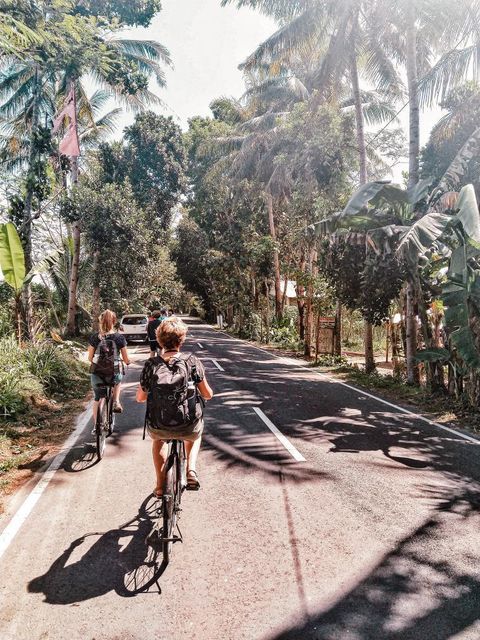
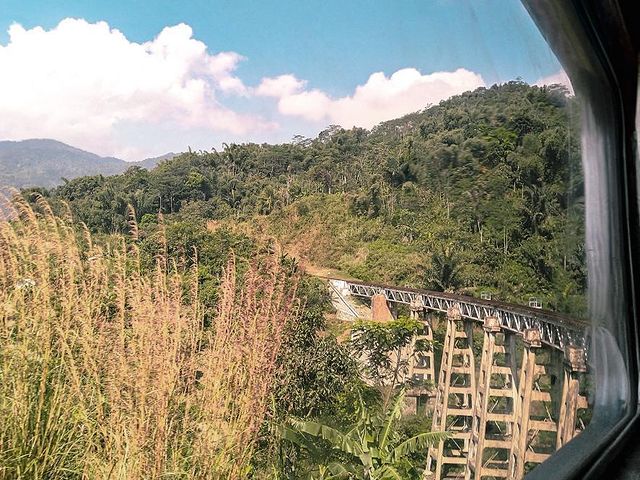
We all know that flying emits a lot of CO2, so try a different way of travelling for once. Take the train, for example, which emits 90% less CO2. Ever heard of interrailing in Europe? With this rail pass you can travel unlimited by train in Europe to 40,000 destinations in 33 countries. Some ferries to the Greek islands are included too. This way you can go wherever you like. No checking in at an airport 3 hours in advance, but booking a train ticket via the website or app shortly before departure and boarding straight away! You also often have fantastic views from the train. If you do travel by plane, book a direct flight. With an extra stopover you fly a detour and therefore emit more CO2. Once at your destination, also check whether you can avoid domestic flights or rental cars by taking public transport, an electric scooter or a bike. If that is not possible, try sharing a taxi or car with other travellers.

2. Book small-scale (eco-friendly) accommodation
Mass tourism has kept growing steadily in recent years, and countless all-inclusive resorts are still being built. Unfortunately, only a small part of the revenue ends up with local people. So choose small-scale accommodation run by locals instead, so you support them directly. Respect the rules and norms of the accommodation owner. For example, take shorter showers, do not flush toilet paper and be careful with water and energy. Self-sufficient, eco-friendly accommodation is also a sustainable option. A fun experience can be to eat with the accommodation owners, as we did at our casa in Cuba and at our homestay in South Africa. Or ask them about their favourite restaurants and excursions, so you support the local economy in a responsible way. Have you booked an all-inclusive trip after all? You do not have to think you cannot contribute to responsible travel. There are always ways to minimise your impact, even in that case.


3. Support local people
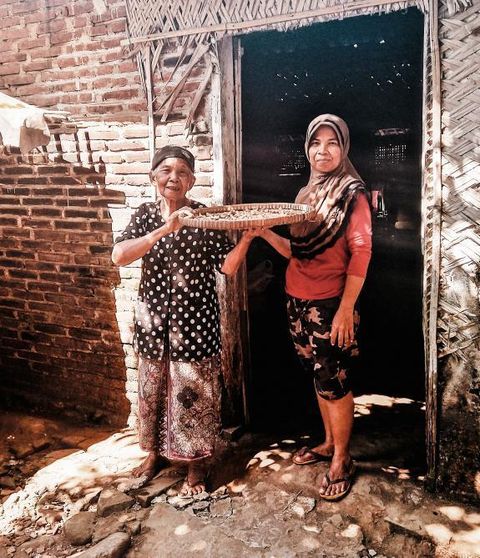
Many people book excursions on the spot through their tour operator or the hotel where they are staying, often together with dozens of other tourists, which leads to a mass, less authentic experience. Why not do it differently for once? Go to a local tour agency in the village and book your activity there. It is often just as much fun, cheaper and offers a much more unique experience. And the money goes directly to local people. It is also a good idea to visit local restaurants, shops or markets instead of chains you can find anywhere, including back home. That way you support the local economy and have a more authentic experience!

4. Do responsible activities
Choose activities that do not harm people or nature. If excursions are offered that involve animals that belong in the wild, alarm bells should start ringing. Always research the organisation and the activity thoroughly before you book. If you doubt whether it is ethical, let your tour operator or hotel know, or search online for where you can report it. With excursions you also often see the negative influence of mass tourism: buses or boats full of tourists are dropped off at sights for a quick photo moment, after which they move on to the next location. Ask yourself whether this type of experience really adds to your trip, or whether it is more about consumption than actually experiencing the place.
5. Choose slow travel
Travel slowly. Stay longer in one place, so you put less strain on the environment and really take the time to enjoy the moment. Choose to fully experience one area of a country, instead of rushing to see everything and having too little time everywhere to really take it in. Visit popular sights at quiet times, or choose lesser-known places that are just as impressive but where you have the space to enjoy them in peace. By travelling slowly, you can absorb more of your surroundings. It also means fewer journeys, which results in lower CO2 emissions and less pollution.
6. Leave no litter behind
Always clean up your waste. Fortunately, more and more people are aware of the problem, but there is still work to do. Try to avoid plastic as much as possible by bringing your own refillable water bottle and using reusable bags for your shopping. If you go to a place without bins, bring a rubbish bag to clean up your waste. If you really want to make a difference, you can even volunteer to help clean up other people's litter. Many places now offer ‘beach clean-up’ excursions, where you actively contribute to a cleaner environment.
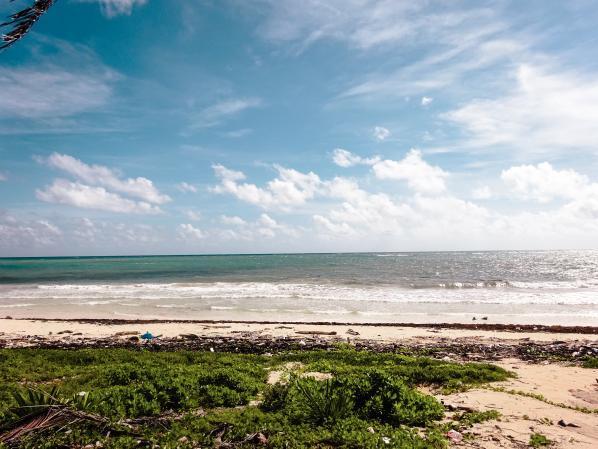
During our trip to Mexico we came across a beach where a lot of rubbish washes up, some of which washes back into the sea. This happens in an area that is also home to the fourth largest coral reef, where special fish, turtles and dolphins live. This waste is a threat to the local ecosystem, but fortunately everything that washes up here is now recycled. It is a great step towards a more sustainable and cleaner future for both nature and the animals that depend on it.

7. Volunteering
What could be better than making a real, direct difference through volunteering? In many countries you can contribute in a positive way to local communities and nature conservation. Think of building water wells and schools in Africa, helping at an elephant sanctuary in Thailand or a turtle rescue centre in Ecuador, or supporting biodiversity conservation projects in the Philippines. You can also volunteer at a childcare centre in Argentina or help out at the food bank in Lisbon.
We understand you may be wondering which organisation to turn to for these kinds of trips. With the travel company Better Places you can book a tailor-made sustainable trip that supports local communities. For volunteer projects, take a look at the Kilroy website, where you will find various ways to really make an impact.
By travelling with a purpose, you contribute to positive change and make your adventure more meaningful.
When planning your next trip, which conscious choices will you make? Whether it is choosing sustainable accommodation, respecting local cultures or reducing your ecological footprint by travelling smarter, every small step counts. Remember: even the smallest gestures can have a huge impact. If we all do our bit, together we can make a difference and contribute to a more sustainable and conscious way of travelling. So the next time you pack your suitcase, think about how you can travel responsibly and leave the world a little more beautiful.
For more travel inspiration, check out Dutchtravelfreak on Instagram.